


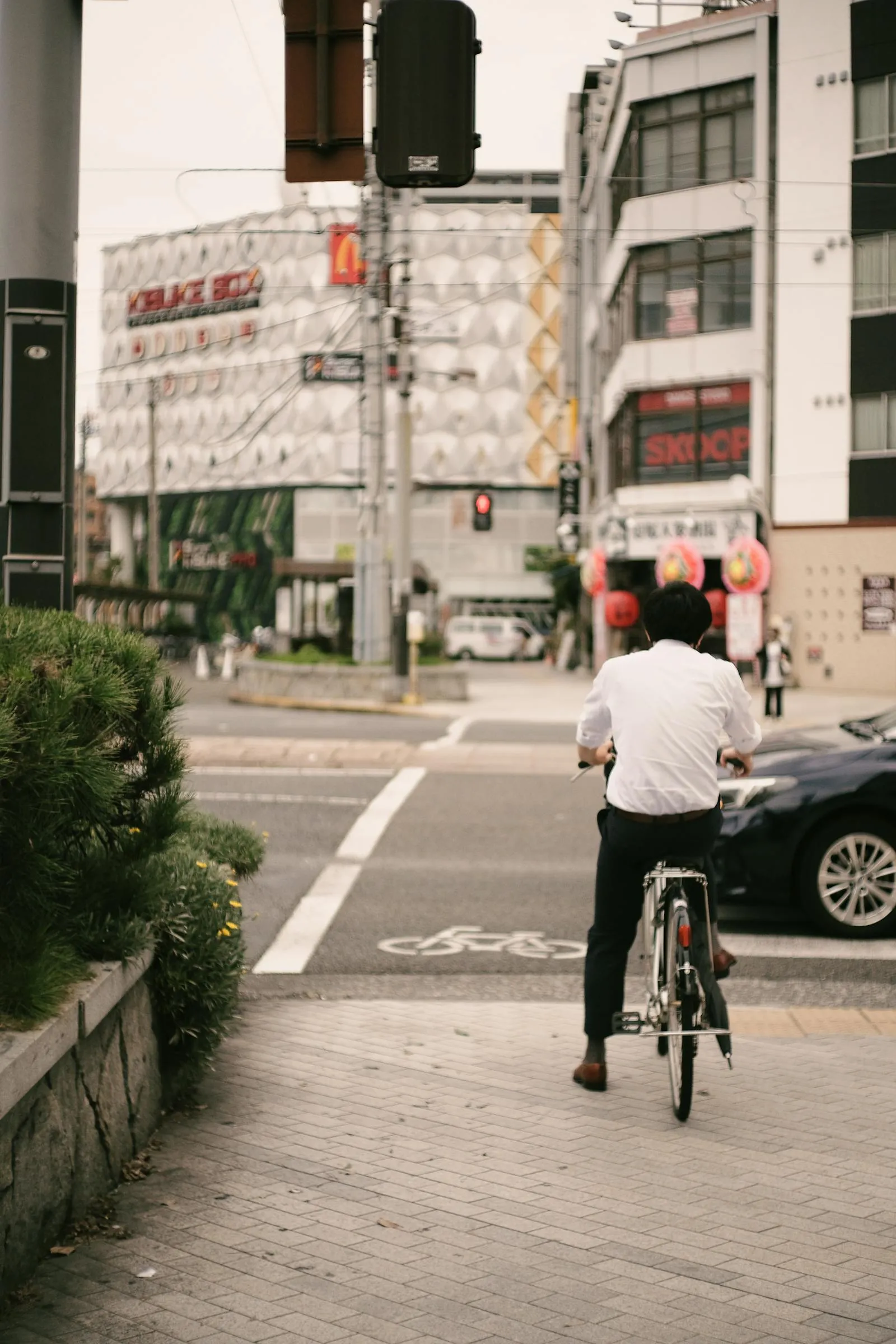
A turning driver’s split-second mistake can leave a San Bernardino cyclist facing months of recovery. At an intersection, the evidence needed to prove that mistake can disappear almost as quickly.
Request a free case evaluation from DC Law Group
A San Bernardino bicycle accident lawyer investigates how an intersection collision happened, identifies every responsible party, and protects an injured rider from unfair insurance tactics. That work may include securing traffic-camera footage, interviewing witnesses, reviewing police reports, and showing whether a driver failed to yield before turning. Federal health officials classify cyclists as vulnerable road users because they lack a vehicle’s physical protection, and resulting injuries can be severe. An attorney can document medical care, missed work, future needs, and the crash’s daily impact while pursuing available compensation under California law. This support lets the rider focus on recovery while the lawyer preserves evidence, handles communications, and keeps the claim moving forward.
After a turning-vehicle crash, injured cyclists often need clear answers about fault, evidence, insurance, and the steps ahead. The next section, How a San Bernardino bicycle accident lawyer can help, explains what that support should look like from the first call onward. Here’s how.
How a San Bernardino bicycle accident lawyer can help
A San Bernardino bicycle accident lawyer can preserve intersection evidence, investigate driver conduct, handle insurance communications, document the rider’s injuries, and explain the legal options available. Early legal help is especially useful when video may be erased, witnesses may become difficult to locate, or the driver disputes fault.
An intersection crash can leave a cyclist facing injuries, damaged property, and questions about what happened. A San Bernardino bicycle accident lawyer can take over the legal work while the rider focuses on care. This support matters because the CDC recognizes cyclists as vulnerable road users who lack the physical protection of a motor vehicle.
Investigating the intersection crash
A lawyer can start by gathering evidence before it disappears. That work may include obtaining the traffic collision report, speaking with witnesses, reviewing photos, and looking for nearby camera footage. The attorney can also preserve the bicycle, helmet, and damaged clothing. Those items may help show the force or direction of impact.
Intersection fault often turns on small details. Signal timing, lane markings, sight lines, and the path of a turning vehicle can help explain the crash. On an Inland Empire road, an attorney may also review the layout of a wide junction or a busy arterial route. If needed, the lawyer can work with a crash expert to study the evidence.
Handling insurers and analyzing fault
An insurer may ask for a recorded statement soon after the collision. A lawyer can handle those communications, submit records, and respond to requests without letting the account become unclear. The attorney can also compare the driver’s account with witness statements, scene evidence, and medical records.
Fault is not always limited to one act. A driver may have turned across the cyclist’s path, failed to yield, or entered the intersection without a clear view. The cyclist’s conduct may also be disputed. A lawyer assesses each claim against the available proof and explains the rider’s how left-turn fault is evaluated.
Preserving the injury claim
A lawyer can organize medical records, treatment notes, work records, and repair documents as the claim develops. These materials connect the collision to its effects on the rider’s health and daily life. The attorney can also track follow-up care so the claim does not rely only on the first emergency visit.
Deadlines and missing evidence can weaken an otherwise valid claim. Early legal review helps preserve camera footage, witness details, and key records before they become harder to obtain. It also gives the rider time to understand the steps to take after a California traffic collision and plan the next filing steps.
What should you do after an intersection bicycle crash?
After an intersection bicycle crash, get to safety, call emergency services, and seek medical care. If you can do so safely, photograph the scene, bicycle, vehicles, signals, and visible injuries. Collect witness details, request the police report, preserve damaged gear, and avoid discussing fault with an insurer before getting guidance.
The first minutes after an intersection crash can shape both your health and the available evidence. Focus on safety first, then create a clear record without arguing about fault.
Cyclists face added risk because they lack the physical protection of a motor vehicle. The CDC recognizes cyclists as vulnerable road users, so prompt medical care matters even when an injury seems minor.
Immediate safety and medical care
-
Move out of traffic if you can do so safely. Leave the bicycle where it landed unless it blocks traffic or creates another danger.
-
Call 911 and ask for police and medical help. Tell the dispatcher your location, known injuries, and whether the driver left the scene.
-
Accept urgent medical evaluation or visit an emergency facility soon after the crash. Shock can mask pain, and early records connect your injuries to the collision.
-
Ask the responding officer how to get the police report number. Give a calm, factual account, but do not guess about speed, distance, or fault.
-
Photograph the intersection, traffic lights, signs, lane markings, vehicle damage, bicycle damage, and visible injuries. Capture wide views and close details before the scene changes.
-
Collect the driver’s name, contact details, license plate, driver’s license, and insurance information. Ask witnesses for their names and phone numbers before they leave.
-
Keep your bicycle, helmet, damaged clothing, lights, and other gear unchanged after the crash. Do not repair, discard, or clean these items before they are documented.
A clear record of the crash
Write down what happened while the details remain fresh. Note your direction of travel, the driver’s movement, the traffic signal, weather, and anything each witness observed.
Save medical papers, police information, photos, videos, and messages in one place. Nearby homes or stores may have camera footage, so record their locations and request preservation quickly.
If the driver fled, tell police every detail you recall, including the vehicle’s color, make, damage, and travel direction. DC Law Group also explains the role of a California comparative fault rules when a driver cannot be found.
Protecting the evidence afterward
An insurance representative may ask for a recorded statement soon after the crash. You can decline until you understand your injuries and have reviewed the facts with counsel.
Avoid posting crash details, injury updates, photos, or activity on social media. Insurers may compare those posts with your medical records and earlier statements.
Keep the damaged bicycle in a secure, dry place and photograph it from every side. A San Bernardino bicycle accident lawyer can also help preserve records and explain the serious spinal injuries after traffic collisions.
Why intersections and turning vehicles cause bicycle injuries
Intersection bicycle injuries often happen because turning drivers fail to see a rider, misjudge the rider’s speed, or cross a bike lane without yielding. Limited sight lines, parked vehicles, signal timing, and wide Inland Empire roads can make these conflicts more dangerous and complicate later disputes about responsibility.
Intersections bring cyclists, drivers, signals, parked cars, and cross traffic into a small area. A brief mistake can place a vehicle directly in a rider’s path. The CDC describes cyclists as vulnerable road users because they lack the physical protection of a car or truck.
Left turns and right hooks
A left-turn crash can happen when an oncoming driver turns across a cyclist’s lane. The driver may misjudge the rider’s speed, fail to see the bicycle, or start turning before the path is clear. The impact can occur near the center of the intersection or as the rider enters it.
A right hook develops when a driver passes or travels beside a cyclist, then turns right across the cyclist’s route. This pattern gives the rider little room to stop or move away. A dispute may focus on turn signals, lane position, speed, and whether the driver checked mirrors before turning.
Dooring, signals, and unsafe passing
Dooring can happen near an intersection when someone opens a parked vehicle’s door into a cyclist’s path. The rider may strike the door or swerve toward moving traffic. Photos of the parking lane, door position, sight lines, and nearby marks can help show the sequence.
Red-light and stop-sign violations can also create conflicting accounts. A driver may say the cyclist entered late, while the cyclist may report having the right of way. Signal timing records, nearby video, witness accounts, and the point of impact can help test each version.
Bike lanes can add another point of conflict near a turn. A driver may cross the marked lane without seeing a rider approaching from behind. Lane markings, the vehicle’s angle, and footage from nearby cameras can help show where each person moved.
Unsafe passing may lead to injury even without direct contact. A close pass can force a cyclist toward a curb, parked car, or intersection hazard. Riders involved in these events may need clear guidance about their what to do when an insurer denies a traffic injury claim, including how available evidence relates to fault.
Evidence behind visibility disputes
Visibility is rarely answered by one statement alone. Investigators can compare vehicle damage, bicycle damage, road marks, lighting, weather, and the positions of each person. They may also review whether signs, trees, parked vehicles, or road design blocked a clear view.
Fault evidence should be reviewed from both perspectives. A driver’s turn signal does not alone show that a cyclist had enough time to react. Likewise, a cyclist’s location after impact may not reveal the full path traveled before the crash.
A San Bernardino bicycle accident lawyer can examine records without assuming that either account is complete. Useful material may include police reports, phone videos, business cameras, vehicle data, and witness contact details. When gathered early, these sources can help explain which movement created the conflict. They may also show whether either person could have avoided it.
Talk to DC Law Group before important intersection evidence disappears
Evidence that can strengthen an intersection injury claim
Strong intersection injury claims combine scene photos, witness accounts, police reports, traffic or business video, medical records, damaged equipment, and digital data. Together, these records can show how the collision occurred, connect the crash to the cyclist’s injuries, and challenge an inaccurate driver or insurance-company account.
Intersection crashes often leave conflicting accounts about signals, speed, and who had the right of way. The strongest claim brings several forms of evidence together. Each item can help show where people were, how the crash happened, and how the cyclist was hurt.
That proof matters because cyclists lack the physical protection of a car or truck. The CDC recognizes pedal cyclists as vulnerable road users. Clear records can help explain why vehicle contact caused serious harm, even when damage to the vehicle seems limited.
Records from the scene
Ask for the police traffic collision report and keep the report number. The report may identify drivers, witnesses, road conditions, and statements made at the scene. It can also note whether an officer issued a citation, though the report alone may not settle fault.
- Save each witness’s name, phone number, email address, and a short note about what they saw.
- Photograph signals, signs, lane markings, skid marks, debris, sight barriers, and the full intersection from several angles.
- Take clear photos of visible injuries, torn clothing, the bicycle, the helmet, and every damaged part of the vehicle.
Scene photos are most useful when they show both close details and the wider layout. Return later only if it is safe. Traffic patterns, parked cars, construction, and signal timing may differ from the crash date, so record when each image was taken.
Video and digital records
Traffic cameras, doorbell cameras, and nearby business systems may capture a turn, signal phase, or impact. Find cameras facing the intersection and note the property address. Prompt requests matter because a system owner may record over older footage during normal use.
Digital ride records can add another view. Preserve original files from a cycling computer, fitness app, phone, or connected device. These records may show the route and time stamps. Keep the original device and export, rather than relying only on screenshots.
A San Bernardino bicycle accident lawyer may send preservation requests before footage or digital records disappear. Counsel can also compare that material with witness accounts and the collision report. DC Law Group’s guide to how left-turn fault is evaluated explains related issues for riders using e-bikes.
Physical and medical proof
Do not repair, clean, or discard the bicycle, helmet, clothing, lights, or other damaged gear. Store each item in a secure, dry place. Photograph its condition first, and keep any parts that detach. Vehicle damage photos can help connect the point of impact to the cyclist’s account.
Medical records link reported injuries with exams, imaging, treatment, and follow-up care. Keep discharge papers, visit summaries, referrals, and work restriction notes together. Also write brief daily notes about pain, sleep, mobility, and tasks you cannot perform. Consistent records make the injury timeline easier to follow.
Evidence should remain in its original form whenever possible. Make backup copies, but do not edit files or add marks to original photos. A clear log showing when an item was collected, received, or stored can reduce later disputes about its source.
Insurance claim pitfalls cyclists should avoid
Cyclists can weaken an insurance claim by delaying care, giving an unprepared recorded statement, accepting an early settlement, posting about the crash online, or discarding damaged equipment. Preserve evidence, follow medical advice, keep complete records, and get guidance before signing releases or accepting a final resolution.
Medical care and honest records
Get medical care soon after a crash, even when pain seems mild. Delayed care can leave injuries untreated and create questions about when they began. Describe each symptom honestly, without minimizing it or making it sound worse. Follow the care plan and keep copies of visit notes, bills, and work restrictions.
The CDC classifies cyclists as vulnerable road users because bicycles lack the physical protection of a motor vehicle. That lack of protection can make a careful medical check important after impact. Keep a simple daily log of pain, sleep problems, missed work, and activities you cannot do.
Insurance requests and settlement pressure
An adjuster may sound helpful while seeking details that limit the claim. Give basic crash information, but do not guess about speed, fault, or injuries. A recorded statement can preserve an uncertain answer before the full medical picture is known. Ask for requests in writing and review them before responding.
Be cautious with broad medical authorizations. They may allow access to records far beyond the injuries tied to the collision. A narrow release can focus on relevant treatment and dates. A steps to take after a California traffic collision can review the request and explain how it may affect the claim.
| Claim decision | Helpful approach | Common pitfall |
|---|---|---|
| Medical care | Seek care and report symptoms clearly | Delay care or minimize pain |
| Recorded statement | Request time to review facts | Guess or speak while shaken |
| Medical authorization | Limit it to relevant records | Sign a broad, open-ended release |
| Settlement offer | Review injuries and losses first | Accept before the medical picture is clear |
| Social media | Keep the claim private | Post photos or discuss recovery |
| Bicycle and gear | Preserve them in current condition | Repair, discard, or alter them |
Evidence that can disappear
Quick settlement pressure can arrive before doctors know whether an injury will need more care. Do not treat an early offer as a deadline. Review the proposed release and confirm which claims it would end. Consider the full medical record, missed work, damaged property, and future care before deciding.
Social media posts can also create confusion. A photo from one good afternoon may not show pain that returns later. Keep accounts private and avoid discussing the crash, treatment, or claim online. Ask friends not to tag you in posts about activities during recovery.
Keep the bicycle, helmet, lights, clothing, and damaged devices in their post-crash condition. Photograph each item from several angles, then store everything in a safe place. Repairs or disposal may erase marks that help show the direction and force of impact. Preserving that evidence also supports the California comparative fault rules when fault is disputed.
What compensation may be available after a bicycle crash?
Available compensation after a bicycle crash may address medical care, future treatment, damaged equipment, lost work, reduced earning ability, and the injury’s effects on daily life. The categories and amount depend on the evidence, the seriousness of the injuries, available coverage, and each party’s share of responsibility.
A bicycle crash claim may address several parts of the harm caused by another party. The available categories depend on the injuries, supporting records, and how the crash changed the rider’s life. Cyclists are vulnerable road users because they lack the physical protection of a car or truck.
Medical care and damaged property
Recoverable medical losses may include emergency care, hospital stays, doctor visits, medication, and treatment from specialists. A claim may also account for physical therapy, rehabilitation, assistive devices, and care that doctors expect the rider will need later.
Property damage is another distinct category. It may cover the bicycle, helmet, lights, clothing, phone, and other gear harmed in the collision. Riders should keep the damaged items when safe, rather than repair or discard them before they are photographed and assessed.
- Emergency room and follow-up treatment records
- Rehabilitation plans and medical referrals
- Photos of the bicycle and damaged gear
- Repair estimates and proof of purchase
Work losses and daily life
Injuries may keep a rider away from work during recovery. The claim may address missed pay, used leave, and lost work opportunities. When lasting limits reduce the rider’s ability to earn, reduced earning ability may also be considered.
Not every loss appears on a receipt. Pain, sleep problems, emotional distress, and the loss of normal activities may form another part of the claim. A rider’s journal can show how symptoms affect walking, driving, exercise, family care, hobbies, and other parts of daily life.
Families may also have a wrongful death claim after a fatal bicycle crash. The available losses can depend on the family’s relationship to the rider and the facts of the case. A serious spinal injuries after traffic collisions can help clarify which categories may apply.
Records that support the claim
Clear records connect each requested category to the crash. Keep medical records, bills, work absence notes, pay records, repair estimates, photographs, and written treatment plans. Save copies in one place and update them as care continues.
A San Bernardino bicycle accident lawyer may use these materials to assess both current harm and likely future needs. Records from doctors, employers, and repair professionals often carry more weight than estimates based only on memory. Timely documentation also helps preserve details that may become harder to recall later.
Can an injured cyclist still recover if fault is disputed?
Yes. Under California comparative fault rules, an injured cyclist may still recover even if the driver or insurer argues that the cyclist shares responsibility. The cyclist’s percentage of fault may reduce the recovery, so photos, video, witness accounts, and traffic-law evidence can be important in resolving the dispute.
Yes, a cyclist may still recover after a crash even when the driver disputes fault. California’s comparative fault approach can allow recovery when an injured cyclist shares some responsibility. The cyclist’s share of fault may reduce the recovery, rather than end the claim at once.
How comparative fault affects a claim
Fault is often divided when the available evidence suggests that more than one person contributed to a collision. For example, a driver may have turned across a cyclist’s path while the cyclist was riding outside a marked bike lane. Each person’s conduct must be reviewed in context.
A dispute does not prove that the cyclist caused the crash. It creates a question that must be tested against the facts and California law. This is one reason a cyclist should learn about the firm’s guidance on what to do when an insurer denies a traffic injury claim.
Common allegations against cyclists
Drivers and insurers may point to helmet use, lane position, dark clothing, bike lights, or compliance with traffic signals. These details may matter, but their weight depends on how the collision happened. A helmet issue, for example, does not explain whether a driver made an unsafe turn.
- Helmet use may be raised when the claimed injuries include harm to the head.
- Lane position may matter if the parties disagree about where the cyclist was riding.
- Lights, reflectors, and clothing may be reviewed when visibility is disputed.
- Signals and signs may matter when both parties claim the right of way.
Cyclists also face a greater risk of harm because they lack a vehicle’s physical protection. The CDC describes cyclists as vulnerable road users. That fact does not decide fault, but it explains why a crash may cause serious injury.
Evidence that can clarify responsibility
Strong evidence can show whether an allegation fits the actual sequence of events. Useful sources may include scene photos, video, witness accounts, vehicle damage, bike damage, and medical records. Phone records or traffic camera footage may also help when available.
A San Bernardino bicycle accident lawyer can compare these materials with the parties’ accounts and the rules that applied at the scene. The analysis should separate conduct that may have helped cause the collision from details that had no clear role.
Early review also helps preserve evidence before video is erased or witnesses become harder to reach. A fault dispute should be examined carefully, not accepted as the final answer. The strength of any claim will depend on its evidence and the specific facts.
Frequently Asked Questions
How do California’s bicycle laws affect my personal injury case?
California traffic laws can help determine whether a driver or rider acted carelessly. For example, the California Vehicle Code requires drivers to leave at least three feet while passing a bicycle. Evidence of a violation can support fault, but it does not decide the claim alone. A rider may still recover damages when partly responsible, although the rider’s share of fault may reduce recovery.
What is the statute of limitations for bicycle accident claims in California?
California generally allows two years from the crash date to file a personal injury lawsuit, according to the California Courts. Some cases have shorter deadlines, especially claims involving a government agency. Delays can also cause videos, witness memories, and records to disappear. A San Bernardino bicycle accident lawyer can review the facts and identify the deadline that applies.
What should I do immediately after a bicycle accident in San Bernardino?
After a San Bernardino bicycle crash, move to safety if possible and call for emergency help. Get medical care promptly, even if symptoms seem mild. Report the crash, exchange information, photograph the scene and bicycle, and collect witness contacts. Keep damaged gear, medical records, and insurance messages. Avoid repairing or discarding the bicycle until its condition has been documented and the claim reviewed.
Can I get compensation for my damaged bicycle?
Yes. A bicycle injury claim may include the damaged bicycle, helmet, clothing, electronics, and other personal items. Preserve every damaged item and take clear photographs from several angles. Gather the original receipt, model details, maintenance records, and a written repair assessment or replacement-value estimate. Do not discard or repair the bicycle before the insurer has had a fair chance to inspect it.
Ready to Protect Your Bicycle Accident Claim?
Waiting after an intersection bicycle crash can make it harder to preserve photos, witness details, vehicle records, and other information that may support your claim. Starting now gives your legal team more time to review the turning driver’s actions, organize available evidence, and address important filing deadlines. Early guidance can help you understand your options, avoid preventable mistakes, and build a clearer path forward while you focus on medical care.
Ready to protect your next steps? Request a free case evaluation to discuss your Inland Empire bicycle accident claim with DC Law Group and get answers to your immediate questions. A prompt review can clarify what information matters, what deadlines may apply, and how to move forward with greater confidence.
Injured in an accident? Learn how our California personal injury lawyers can help you get maximum compensation. Free consultation — no fees unless we win.