


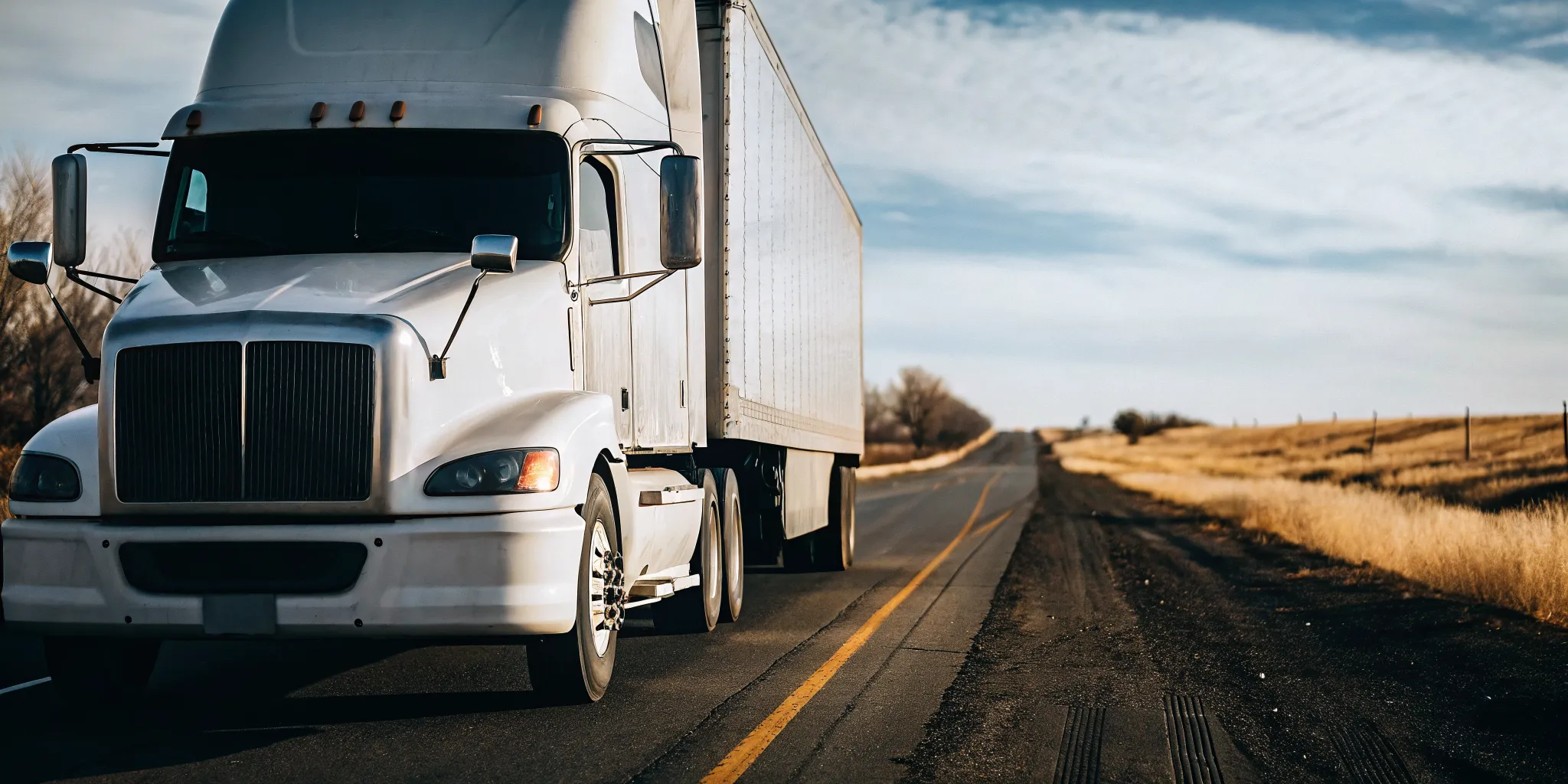
A semi-truck collision on Fresno’s Highway 99 can turn one commute into months of injuries, treatment, and insurance questions. On SR-180, injured people may also face trucking insurers seeking statements and evidence before families understand the full harm.
Schedule a free consultation with DC Law Group if a Fresno commercial truck crash has left you needing guidance on evidence, insurance requests, or your injury claim.
A Fresno truck accident lawyer helps an injured person preserve proof, identify every responsible party, and pursue payment after a semi-truck or commercial vehicle crash. After a Highway 99 or SR-180 wreck, get medical care, photograph vehicles and roadway conditions, collect witness details, and avoid giving a recorded insurer statement alone. Truck cases may involve the driver, trucking company, loading contractor, maintenance provider, or vehicle maker, not only one policy. Federal safety rules address driving hours, maintenance, and safety practices; commercial operations must follow them, according to published transportation safety research. An attorney can seek logs, maintenance files, electronic data, and insurance information before records vanish or the carrier presses for a quick settlement.
Victims often ask what must happen first, who may be liable, and how to protect a claim while treatment begins. A careful review starts with the evidence and parties involved.
Fresno truck accident lawyer guidance
Why a truck claim differs
A collision with a tractor-trailer on Highway 99 or SR-180 may look like any traffic claim at first. It is not. A commercial truck case can raise questions about the driver, employer, trailer owner, cargo loading, and truck maintenance.
Large trucks take more distance to stop than passenger cars, especially when loaded. Research on commercial motor vehicle safety addresses this risk. It matters when traffic slows, lanes merge, or a driver must react to a sudden hazard.
A Fresno truck accident lawyer should look beyond the impact point. Records may show whether driving hours, maintenance, cargo securement, training, or company safety choices played a role. This review is different from an exchange of insurance details after a minor collision.
Highway 99 and SR-180 can put local drivers beside commercial vehicles during everyday travel. An injured person may need care and proof of missed work while the claim develops. DC Law Group’s accident representation addresses injury claims from vehicle collisions.
Early guidance and useful proof
Early guidance helps protect evidence needed to examine a truck crash. Photos, witness names, medical records, vehicle damage, and collision reports can help show what happened. Counsel can also seek driver logs, inspection records, maintenance materials, and company records.
Those materials matter because responsibility may reach beyond the truck driver. Depending on the proof, a carrier, contractor, cargo company, or another business may be involved. Readers can learn about determining liability in commercial vehicle accidents.
Medical care should not wait for a claim plan. Injuries may affect treatment needs, daily work, and a person’s ability to travel. Keeping discharge papers, bills, appointment notes, and work absence records shows the crash’s effect.
Before speaking at length with an insurer, save letters, emails, claim numbers, and forms sent for signature. A lawyer can compare those requests with the medical and crash records. This step helps keep the focus on proven harm and responsibility.
Review focused on the Fresno crash
An insurance request may arrive before the injury picture is clear. A lawyer can gather records, organize losses, speak with insurers, and assess a proposed release. This can help a client make choices based on information, not pressure.
For a Fresno crash, legal review should stay tied to the route, vehicles, people, and business records involved. A Highway 99 case may need different proof than a crash near an SR-180 interchange. Local context frames the review; evidence still decides fault.
DC Law Group represents accident victims across California, including people in the Central Valley. A first discussion can cover care, damaged property, missed work, and papers already received. It can also spot evidence to preserve while a commercial truck claim is reviewed.
What should you do after a Fresno truck accident?
A crash with a semi-truck or commercial vehicle can leave a confusing scene. Your first tasks are safety, care, and a clear record of what happened. If you can act without risking harm, use the steps below after a Fresno truck accident.
Safety and care at the scene
Do not try to gather proof while traffic is moving around you. On Highway 99, SR-180, or a city street, move to a safe area if possible. Call 911, report hazards, and ask for medical help when anyone may be hurt.
- Protect people first. Get out of active lanes if it is safe to do so. Follow emergency directions, and do not stand near leaking fuel, loose cargo, or a damaged truck.
- Accept medical evaluation. Tell responders about pain, dizziness, numbness, or any change you notice. Keep discharge papers, referrals, bills, and later visit notes together.
- Document the crash location. If you are able, photograph vehicle positions, damage, skid marks, debris, road signs, lane markings, weather, and any cargo on the roadway.
- Collect identifying details. Get the truck driver’s name, license information, carrier name, insurance details, plate number, trailer number, and USDOT number shown on the vehicle.
- Find witnesses and the report number. Ask witnesses for names and contact details. Obtain the responding agency, officer name, and collision report number before leaving or as soon as possible.
- Keep records from being lost. Save photos, videos, dashcam files, tow papers, damaged property, and all insurer messages. A lawyer can send prompt preservation requests for truck data and company records.
Evidence beyond the roadway
The truck may carry records that a passenger vehicle does not. These can include electronic logging data, inspection and maintenance material, dispatch communications, route records, and onboard camera footage. Commercial drivers use hours-of-service records under safety rules described by the CDC truck safety guidance.
Do not assume those records will remain available without a request. Write down anything you saw, such as a company logo, cargo spill, or phone use, while your memory is fresh. For related road and claim issues, review DC Law Group’s legal guidance for Highway 99 crashes.
Early help with preservation
Timing can matter. A Fresno truck accident lawyer can review the scene facts and request records from the carrier and other involved companies. Counsel may seek log data, maintenance files, inspection records, video, and electronic truck data before those materials change or disappear.
You can contact DC Law Group to discuss a Fresno commercial-vehicle crash and the evidence that should be protected. Bring your report number, photos, medical paperwork, witness details, and any communications from insurers or trucking companies.
Who may be liable for a commercial truck crash?
A commercial truck crash can involve more than the driver behind the wheel. A review may look at each person or business whose choices affected the trip, truck, or load. Research indexed by PubMed describes commercial vehicle liability as a matter that may involve several parties.
Driver and carrier roles
The truck driver may be examined for unsafe speed, distraction, fatigue, or poor control of the rig. The carrier or employer may also be examined when it selected, trained, supervised, or scheduled the driver. A crash does not prove either party is at fault.
Records often help show what happened before impact. Driver logs, dispatch messages, trip data, and onboard data may show work hours or route demands. The CDC truck safety guidance addresses fatigue and required hours-of-service logs, which may matter when tired driving is at issue.
Other parties tied to the truck or load
A maintenance contractor may come under review if a brake, tire, light, or steering issue played a role. Investigators can ask who inspected the truck and what work was done. A loading company may also be involved if cargo was not secured. A poor load can affect truck control.
A broker or shipper is not liable merely because its name appears on shipping papers. Its conduct must be examined before any claim is made against it. A manufacturer may be considered when evidence points to a defective truck part or safety system. These issues also arise when determining liability in commercial vehicle accidents.
Investigation after a Fresno collision
For a Fresno crash on Highway 99 or SR-180, key facts can be spread across several businesses. The driver may have one set of records. The carrier, repair shop, or loading site may hold another. Early review can help preserve documents, electronic data, photos, and witness accounts.
A Fresno truck accident lawyer can review the evidence without assuming who is responsible at the start. The goal is to trace each act that may have contributed to the crash. DC Law Group represents accident victims across California, including people harmed in commercial truck collisions in the Central Valley.
Should you speak with the trucking insurer?
Care with an early call
After a Fresno truck crash, an insurer may call while you are sore, shaken, and still planning follow-up care. The call may sound routine, but its questions can shape the carrier’s view of your claim. You can confirm contact details and the crash location without guessing about fault or the extent of injuries.
If the adjuster asks for a recorded statement, ask whether it is required and why. A quick account can miss pain that develops later, care not yet scheduled, or time you later miss from work. Keep a call log with the insurer’s name, phone number, claim number, date, and each request.
Records and treatment notes
Insurers may request bills, visit notes, wage records, photographs, and signed medical authorizations. Save documents that relate to the collision and your treatment, but read releases closely before signing them. A broad form can request health records beyond the injuries you are claiming.
Make a simple treatment file as you recover. Keep appointment dates, provider names, receipts, mileage notes, work notes, and symptom notes together. This helps explain losses with records instead of memory.
Truck cases may also turn on proof held by a carrier or trucking company. The CDC truck safety guidance says commercial drivers must accurately log their hours of service under federal safety rules. Those records may help show whether fatigue or rule compliance should be reviewed after a crash.
| Claim issue | Steps you can take | Steps a lawyer can handle |
|---|---|---|
| Insurance call | Record caller details and keep questions in writing. | Receive calls and answer supported claim questions. |
| Recorded statement | Ask why a statement is sought before agreeing. | Advise whether to respond and help you prepare. |
| Medical records | Gather bills, visit notes, and work records. | Review authorizations before records are released. |
| Truck evidence | Preserve your photos and witness details. | Seek logs, records, and other needed proof. |
| Settlement offer | Wait until injuries and losses are understood. | Compare the offer with documented losses. |
Before accepting an offer
An early offer can arrive before your care is complete or your work loss is clear. A signed release may leave little room to address later treatment needs. Before accepting, list current bills, wage loss, follow-up visits, travel expenses, and daily limits caused by your injuries.
California injury losses may involve more than a hospital bill. DC Law Group’s guide to compensation for your truck accident injuries explains categories you may need to document before resolving a claim. A Fresno truck accident lawyer can review insurer requests and communicate with the adjuster while you continue treatment.
Building a truck injury claim that reflects your losses
Medical care and future needs
A serious truck collision may change daily life long after the vehicles leave the road. Your medical file can show what happened in the first days after the crash. Keep emergency room records, test results, imaging reports, prescriptions, bills, and discharge instructions together. These records help connect your injuries to the collision and document the care required.
Ongoing treatment may matter just as much as the first visit. Save records from follow-up visits, physical therapy, surgery, counseling, and medical equipment purchases. Ask providers for work restrictions and treatment plans in writing. A clear record can show why care continues and how an injury limits routine tasks.
Work loss and damaged property
Time away from work may create losses that do not appear on a medical bill. Keep pay stubs, tax records, missed shift notices, and letters from your employer. If you return with reduced hours or different duties, keep those records too. Self-employed workers can save invoices, calendars, canceled jobs, and payment records.
A claim may also include harm to personal property. Keep photos of your vehicle, repair estimates, towing bills, storage charges, rental car receipts, and records for damaged items inside it. Document a car seat, phone, work tool, or other damaged item before discarding it. This preserves a clear record of property loss.
Commercial evidence and daily impact
A truck crash claim may require a wider review than a two-car collision. Research cited by the National Library of Medicine notes that commercial vehicle crashes can involve more than one responsible party. That may include a driver, trucking business, cargo business, or vehicle maker.
This is why information about the truck and its work may matter. A driver log, maintenance record, cargo record, or business relationship can help explain how the crash occurred. DC Law Group also explains determining liability in commercial vehicle accidents when a working driver or company vehicle is involved.
Not every loss comes with a receipt. Pain may affect sleep, walking, driving, child care, household chores, hobbies, and time with family. Keep a short daily journal about symptoms and tasks you could not do. Family members may also note changes they have seen since the collision.
Use facts, not guesses, when describing these effects. Record appointment dates, pain flare-ups, missed events, help needed at home, and limits set by a doctor. This detail can show how an injury affects ordinary life without overstating the experience.
A Fresno truck accident lawyer reviewing a Highway 99 or SR-180 crash will need a full picture of loss. Bring medical records, work documents, property bills, photographs, insurance letters, and notes about daily limits. You can also review the firm’s guide to compensation for your truck accident injuries.
When should you contact a Fresno truck accident lawyer?
Some truck crash claims need legal review early, before bills and insurance calls pile up. A Fresno truck accident lawyer may be worth contacting when injuries are serious or fault is disputed. The same is true after a death or a crash involving several vehicles.
Crashes that need early legal review
Truck crashes can cause lasting harm. The CDC explains the severe injury and fatality risk posed by large trucks because of their size and weight. A hospital stay, surgery, or the loss of a loved one can change a family’s needs. Early review can help frame the claim and its records.
Contacting counsel may also make sense after a pileup on Highway 99 or SR-180. Several drivers and insurers may each have a different account of how the impact happened. One party may point to the truck driver, while another may blame a passenger vehicle. A lawyer can review those disputes before an injured person signs a release.
Serious injuries can affect work, daily care, transportation, and future medical needs. Treatment records and proof of lost income can become key parts of a claim. Readers facing spinal trauma can review DC Law Group’s discussion of severe injuries following commercial vehicle crashes. A legal review can then focus on the facts of the Fresno collision.
Insurance calls and evidence concerns
A call may be timely when the trucking carrier’s insurer asks for a recorded statement. The same applies when an adjuster offers payment or sends release papers. An injured person can ask what a document covers before signing it. This is important while treatment continues and the full harm is not yet clear.
Evidence concerns are another reason to act early. A commercial crash may involve driver logs, truck inspection records, onboard data, video, cargo records, and witness accounts. Some of those materials are held by a trucking business or another third party. Counsel can discuss steps to seek and preserve those records for review.
A fatal crash can place added pressure on a grieving family. A disputed claim can also involve the driver, carrier, cargo business, or another road user. When several parties may share fault, each may have its own insurer and defense position. Counsel can handle case communications while the family deals with urgent personal needs.
DC Law Group represents accident victims across California, including people hurt in Fresno and the Central Valley. Managing Attorney David Cohan personally handles cases, based on the firm’s information. If a truck crash raises these concerns, you can request a consultation with DC Law Group to discuss your next step.
Frequently Asked Questions
What should I do after a truck accident in Fresno?
After a crash on Highway 99 or SR-180, move to safety if possible, call 911, and seek medical evaluation. Some injuries may appear later, so document symptoms and follow treatment advice. Photograph vehicles, cargo, road conditions, and visible injuries, and collect witness and insurance details. Preserve records, and avoid signing a release before understanding the claim.
Who can be liable for a commercial truck crash?
A commercial truck crash may involve the driver, motor carrier, cargo loader, maintenance provider, vehicle owner, or a defective-part manufacturer. Liability depends on evidence, such as driver logs, maintenance files, loading documents, contracts, and crash-scene records. Research indexed by the National Library of Medicine recognizes that commercial vehicle liability can involve multiple parties. Each party’s acts must be examined separately.
Should I speak with the trucking company insurance carrier?
You may report basic information, such as where the crash occurred and which vehicles were involved. Before giving a recorded statement, signing a release, or accepting a settlement offer, consider getting legal advice about your rights and losses. An insurer may request information quickly while treatment and vehicle damage remain unresolved. Keep copies of communications, claim numbers, photographs, medical records, and repair documents.
When should I contact a Fresno truck accident lawyer?
Contact a Fresno truck accident lawyer as soon as urgent medical and safety needs are addressed, especially if injuries or disputed fault are involved. Early review can help identify evidence to preserve, including electronic logs, maintenance files, dispatch records, camera footage, and witness contacts. A lawyer can also explain filing deadlines and communications with insurers before important records or options are lost.
Ready to Protect Your Fresno Truck Accident Claim?
After a Fresno commercial truck crash, waiting can make medical bills, missed income, and insurance demands harder to manage. Starting now helps you preserve records, explain your losses, and understand how a claim may address the crash’s impact. Early guidance also lets you make informed decisions while evidence and details are easier to gather.
Ready to protect your next steps? Schedule a free consultation with DC Law Group to discuss your Fresno truck accident claim. Share what happened on Highway 99 or SR-180, ask questions, and learn what information may support your case. A conversation now can help you approach insurer requests, paperwork, treatment updates, and case deadlines with a clear plan.