


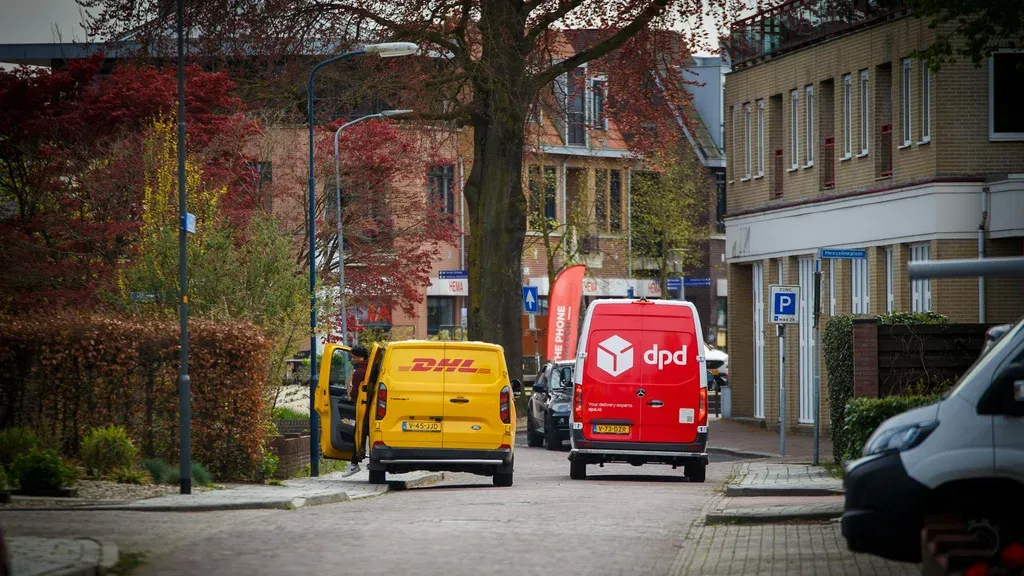
Delivery Driver Accidents in California: Who Is Liable for DoorDash, Amazon, and UPS Crashes?
A van turns out of a driveway and clips your car at an intersection. The driver is wearing a DoorDash thermal bag. Or it is a blue Amazon-branded vehicle running a red light. Or a brown UPS truck rear-ends you on the 10 Freeway during rush hour. Every year, delivery vehicles cause thousands of serious collisions on California roads — and figuring out who pays for your injuries is rarely straightforward.
If you were hit by a delivery driver in California, you may be entitled to significant compensation. But the path to recovery depends on understanding a complicated web of employment classifications, insurance policies, and corporate liability structures. At DC Law Group, we handle delivery driver accident claims throughout California. This guide explains how liability works for each major delivery platform, what insurance you can access, and what to do if you were injured by a delivery vehicle.
Injured by a delivery driver? Call DC Law Group today at (833) DC LAW 4 U for a free case evaluation. No fees unless we win.
Why Delivery Driver Accidents Are on the Rise in California
E-commerce growth has fundamentally changed traffic patterns in California. Amazon alone delivers tens of millions of packages each month across the state. Add DoorDash, Instacart, Uber Eats, FedEx, UPS, and an army of independent gig couriers, and you have an unprecedented number of commercial vehicles making stops, accelerating out of parking lanes, and navigating residential streets they were never designed to handle at that volume.
The consequences are measurable. Delivery vehicles are on the road at peak congestion hours, often under pressure to meet tight delivery windows. Drivers face route quotas that incentivize speed over safety. Many are new to the job with minimal training. Gig workers for apps like DoorDash or Amazon Flex often use their personal vehicles, which were not built for commercial use and may not carry adequate insurance.
The result is a growing category of collision claims that involve multiple potential defendants, layered insurance policies, and corporations with legal teams specifically trained to minimize their exposure. You need an experienced delivery driver accident lawyer in California to level the playing field.
The Core Liability Question: Employee or Independent Contractor?
The single biggest factor in any delivery driver accident claim is whether the driver was an employee or an independent contractor at the time of the crash.
Respondeat Superior (Employer Liability for Employee Actions)
Under California law, an employer is liable for the negligent acts of its employees committed within the scope of employment. This doctrine, known as respondeat superior, is straightforward when a driver is a W-2 employee: if a UPS driver causes a crash while making deliveries, UPS bears liability as the employer.
The complication arises because companies like DoorDash and Amazon Flex have historically classified their drivers as independent contractors — meaning they argue they are not responsible for those drivers’ actions on the road.
California’s AB5 and the Borello Test
California passed AB5 in 2019, creating a strict three-part ABC test that makes it harder for companies to classify workers as independent contractors. However, delivery platforms mounted significant legal and political challenges to AB5, and the landscape remains in flux. Courts evaluate multiple factors — including how much control the company exercises over how drivers work — when determining liability in any specific accident claim.
What matters for your claim: even when a company calls a driver an independent contractor, there may be legal grounds to hold the platform liable depending on the degree of control exercised and the circumstances of the crash.
Liability by Delivery Platform
DoorDash and Gig Food Delivery Apps
DoorDash, Uber Eats, Instacart, and similar platforms classify their drivers as independent contractors. These drivers use their personal vehicles and are responsible for their own auto insurance. However, the platforms maintain commercial liability policies that may apply when a driver is actively on a delivery.
For DoorDash specifically:
- While a driver is on an active delivery (accepted order in hand), DoorDash’s commercial auto liability coverage applies — typically $1 million per incident for third-party bodily injury.
- Between deliveries (the “waiting” phase with the app on but no active order), coverage is limited or may not apply at all.
- The driver’s personal auto insurance is the first line of coverage, but most personal policies exclude commercial delivery activity — meaning victims may face coverage gaps.
Proving exactly when in the delivery cycle a crash occurred is often a key battleground in these cases. An experienced delivery driver accident lawyer in California will subpoena app records and timestamped GPS data to establish the timeline.
Amazon Flex vs. Amazon DSP Drivers
Amazon operates two distinct delivery models, and liability differs significantly between them.
Amazon Flex drivers are gig workers who use their own vehicles to deliver packages directly for Amazon. Like DoorDash, Amazon calls these workers independent contractors. Amazon maintains a commercial insurance policy for Flex drivers during active deliveries, but the coverage details and claims process are complex. In many cases, Amazon disputes liability by arguing the driver acted outside the scope of their assignment.
Amazon Delivery Service Partners (DSPs) are third-party logistics companies that Amazon contracts with to operate branded delivery vans. DSP drivers typically drive Amazon-branded vehicles, wear Amazon uniforms, and follow Amazon’s delivery standards — but their legal employer is the DSP, not Amazon itself. When a DSP van causes an accident, Amazon argues the driver’s actual employer (the DSP) is the responsible party.
California courts have begun scrutinizing this structure closely. When Amazon exercises detailed control over how DSP drivers operate — requiring specific apps, scanning procedures, delivery sequences, and conduct standards — courts can find that Amazon shares liability even though the driver is technically employed by a DSP.
UPS and FedEx Drivers
Unlike gig platforms, UPS and FedEx employ most of their delivery drivers directly as W-2 employees. This makes the liability analysis more straightforward: if a UPS or FedEx driver causes a collision while on duty, the company is liable under respondeat superior.
Both companies carry substantial commercial auto insurance policies with high coverage limits. The practical challenge in these cases is not usually proving liability — it is negotiating a fair settlement against a well-funded corporate defendant with experienced defense teams. These companies handle thousands of claims per year and know every tactic to minimize payouts.
USPS Mail Carriers
If you are hit by a U.S. Postal Service vehicle, your claim follows a different process entirely. USPS is a federal agency, which means you must file a claim under the Federal Tort Claims Act (FTCA) before you can sue. There are strict administrative deadlines — you generally have two years from the date of the accident to file your administrative claim. Missing this deadline can permanently bar your right to compensation. Contact a delivery driver accident lawyer in California immediately if a postal vehicle was involved.
Insurance Coverage in Delivery Driver Accidents
One of the most frustrating aspects of delivery driver accident claims is navigating multiple overlapping — and often conflicting — insurance policies.
The Personal Policy Problem
Most personal auto insurance policies contain commercial use exclusions. When a gig driver is making deliveries at the time of a crash, their personal insurer may deny coverage entirely, leaving the victim with no accessible policy from the at-fault driver.
Rideshare and TNC Endorsements
California law (Insurance Code Section 11580.1) requires that personal auto policies for gig drivers include certain minimum coverages during different phases of a delivery. But the gaps between phases — and the differing coverage floors during each phase — create real risk for injured victims.
Commercial Fleet Policies for Traditional Carriers
Companies like UPS, FedEx, and Amazon DSPs carry commercial fleet policies with higher coverage limits. In serious injury cases involving catastrophic injuries, these higher limits are often necessary to fully compensate victims for medical expenses, lost income, and pain and suffering.
Your Own Uninsured/Underinsured Motorist Coverage
If the at-fault delivery driver has no applicable insurance — or inadequate coverage — your own uninsured/underinsured motorist (UM/UIM) coverage may fill the gap. We always advise clients to review their own policy as part of the claims strategy.
DC Law Group offers free consultations to help you understand all available coverage sources. Call (833) DC LAW 4 U or contact us online — no fees unless we win.
What to Do After a Delivery Driver Accident in California
The steps you take in the hours and days after a crash directly affect the strength of your claim. Here is what we advise every client:
1. Call 911 and Get a Police Report
Even if the collision seems minor, call law enforcement. A police report documents the scene, identifies the parties, notes the delivery company involved, and often includes the officer’s initial assessment of fault. This report becomes a critical piece of evidence.
2. Identify the Driver and the Delivery Company
Get the driver’s name, license number, and vehicle registration. Photograph the vehicle — including any company branding, magnetic signs, or logos. Note which app or company they were delivering for, and ask to see their delivery documentation. If they refuse, note that refusal.
3. Document Everything at the Scene
Photograph all vehicle damage, skid marks, traffic signals, and the surrounding area. Get contact information from witnesses. Note the date, time, and exact location. If you have any visible injuries, photograph them.
4. Seek Medical Treatment Immediately
Many serious injuries — including spinal cord damage, traumatic brain injuries, and internal bleeding — do not produce obvious symptoms at the scene. Get examined by a doctor the same day. Gaps in medical treatment give insurance companies grounds to argue your injuries were not caused by the crash.
DC Law Group coordinates medical care for our clients, including treatment on a lien basis so you can get the care you need without out-of-pocket expenses during your recovery.
5. Do Not Speak to the Delivery Company’s Insurance Adjuster
Insurance adjusters for delivery platforms are trained to gather information that limits the company’s liability. Do not give recorded statements. Do not accept any early settlement offer. Contact a California delivery driver accident lawyer before speaking with any insurance representative.
6. Preserve Evidence Before It Disappears
Delivery app GPS records, driver dashcam footage, company dispatch records, and vehicle telematics data are often deleted on short retention cycles. Our firm sends preservation letters and legal holds as soon as you retain us to prevent critical evidence from being lost.
Common Injuries in Delivery Driver Accidents
Delivery vehicles range from small sedans to large commercial vans and box trucks. Collisions involving these vehicles can cause severe, life-altering injuries, including:
- Traumatic brain injuries (TBI) — from sudden impact or whiplash forces
- Spinal cord injuries — including partial or full paralysis
- Fractured bones — particularly in the neck, back, ribs, and extremities
- Soft tissue injuries — whiplash, torn ligaments, and muscle damage
- Internal organ damage — often missed in initial emergency evaluations
- Psychological trauma — PTSD, anxiety, and depression following serious crashes
We handle the full spectrum of injury types at DC Law Group, from cases requiring long-term rehabilitation to catastrophic injury claims involving permanent disability.
What Compensation Can You Recover?
California personal injury law allows accident victims to recover damages for:
- Medical expenses — emergency care, hospitalization, surgery, physical therapy, and future medical needs
- Lost wages — income lost while you recover, including future earning capacity if you cannot return to your previous work
- Property damage — repair or replacement of your vehicle and any other property
- Pain and suffering — physical pain, emotional distress, and loss of enjoyment of life
- Loss of consortium — impact on your relationship with a spouse or partner
In cases involving particularly reckless conduct — such as a delivery driver who was texting, under the influence, or driving with a known defect in the vehicle — punitive damages may also be available.
How DC Law Group Handles Delivery Driver Accident Claims
Managing Attorney David Cohan personally handles every case at DC Law Group. When you retain our firm, you get direct attorney access — not a case manager or paralegal — from your first consultation through settlement or trial.
Our approach to delivery driver accident claims includes:
- Rapid investigation — preserving app data, securing dashcam footage, and documenting the scene before evidence is lost
- Employment classification analysis — determining whether California law supports holding the delivery company liable, not just the individual driver
- Insurance stacking — identifying all available coverage sources across the driver’s personal policy, the platform’s commercial policy, and your own UM/UIM coverage
- Medical care coordination — connecting you with the right specialists, with treatment on a lien basis so you can focus on recovery
- Aggressive negotiation — delivery companies and their insurers know our firm litigates when they undervalue claims
We advance all litigation expenses and collect no fees unless we win. We also offer 24-hour cash advances for clients facing financial hardship during their recovery.
For clients who cannot come to our office, we come to you — whether you are at home, in a hospital, or anywhere in California.
If you were hit by a commercial vehicle or a delivery driver in California, the time to act is now. Evidence disappears. Deadlines approach. And the delivery company’s legal team is already building its defense.
Call (833) DC LAW 4 U or contact DC Law Group online to schedule your free consultation today. No fees unless we win for you.
For larger commercial truck accidents involving tractor-trailers on Sacramento-area freeways, see our guide on Sacramento truck accident lawyer resources for I-5 and Highway 99 collision victims.
Frequently Asked Questions About Delivery Driver Accidents in California
Can I sue DoorDash or Amazon if their driver hit me?
Potentially, yes. Even though these companies classify their drivers as independent contractors, there are circumstances under California law where the platform can be held liable — particularly when it exerts significant control over how drivers work. An experienced attorney can evaluate your specific facts and determine the strongest theory of liability.
What if the delivery driver had no insurance?
If the at-fault driver had no applicable insurance coverage, you may be able to recover through your own uninsured motorist policy. In some cases, the delivery platform’s commercial policy may apply even if the driver claims to be uninsured. We investigate all coverage sources for every client.
How long do I have to file a claim in California?
California’s statute of limitations for personal injury claims is generally two years from the date of the accident. For claims involving government-owned vehicles (like USPS), you must file an administrative claim within six months. Do not wait — contact an attorney as soon as possible to protect your rights.
What if I was a passenger in the delivery vehicle when the crash happened?
Passengers in delivery vehicles who are injured in a crash have the right to pursue compensation from the at-fault party. If the delivery driver caused the crash, you may have a claim against the driver, the delivery company, or both.
I was a pedestrian hit by a delivery van. Can I still make a claim?
Yes. Pedestrians struck by delivery vehicles have the same rights as other accident victims. Delivery van collisions with pedestrians often result in severe injuries, and California law provides full compensation rights to pedestrians injured by negligent drivers. Learn more about our accident practice areas and how we can help.
What should I do if the delivery driver drove away?
A delivery driver who flees the scene of an accident faces criminal hit-and-run charges, but you still have legal options. Delivery vehicles are tracked by GPS in real time. The platform has records identifying exactly which driver was at your location at the time of the crash. We subpoena that data immediately. You may also be covered under your own uninsured motorist policy in hit-and-run situations. See our guide on what to do after a truck accident in California for general steps that also apply to delivery vehicle hit-and-runs.