


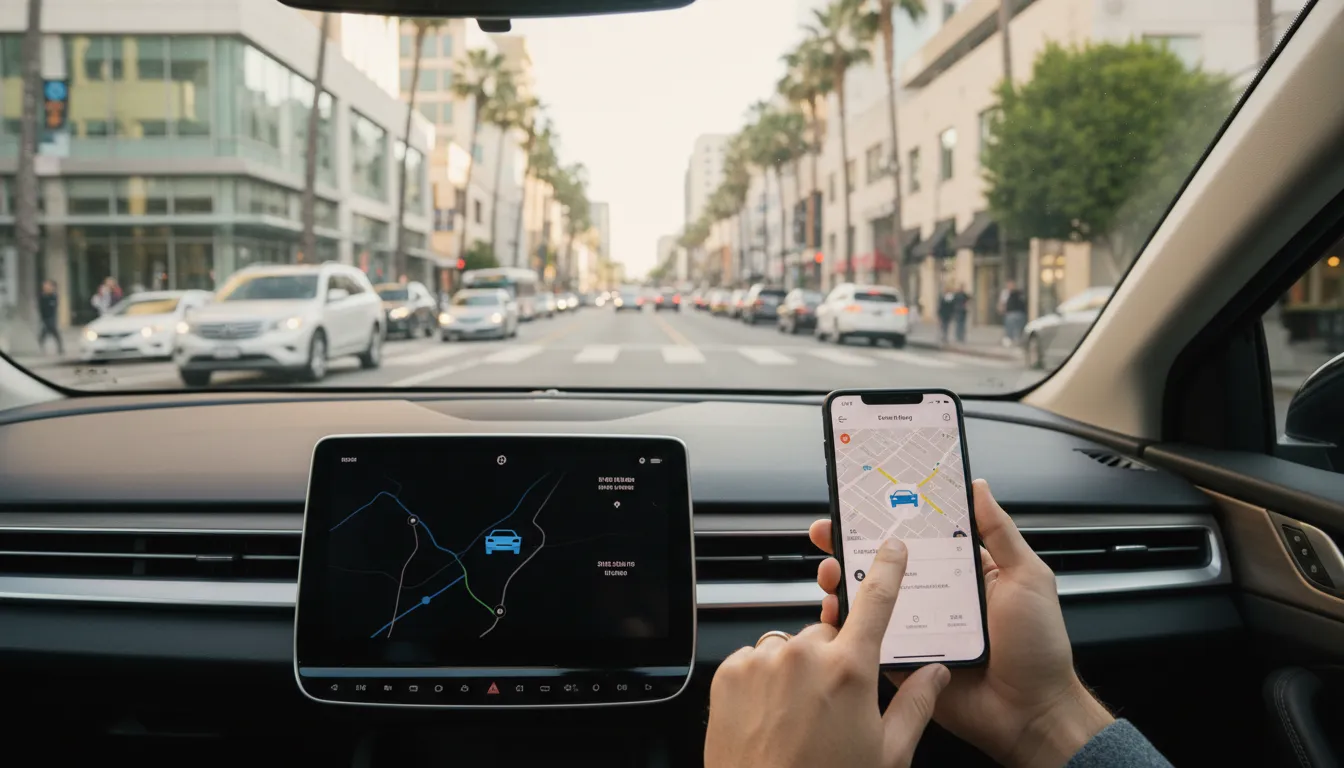
A Turo crash can place three insurers between you and needed medical care. Evidence gathered in the first days may shape which coverage pays your losses.
Injured in a California Turo crash? Schedule a free consultation with DC Law Group before insurers narrow the story or key records disappear.
Turo accident lawyer California means legal help for people injured in a crash involving a car shared through the Turo platform in California. A claim may involve the driver’s policy, the host’s policy, Turo protection terms, and proof of who caused the crash. It can also turn on whether the renter followed trip rules or used the vehicle for an excluded purpose. The CDC reports California traffic crash deaths cost $5.83 billion in 2018. A lawyer can identify liable parties, preserve trip and scene evidence, review coverage limits, handle adjusters, and pursue payment for treatment and lost earnings. Injured people should get medical care, photograph vehicles and injuries, save records, and avoid assuming a Turo plan alone will pay the full claim.
If you were hurt in a California Turo crash, the first question is which policy and responsible party may cover medical bills, income loss, and pain. The next section, “Turo accident lawyer California: why car-sharing crashes are different,” explains that starting point. Here’s how.
Turo accident lawyer California: why car-sharing crashes are different
A shared car, not a company fleet
A Turo crash may look like an ordinary California wreck at first. Drivers still exchange information, report the collision, and seek medical care when hurt. The claim can change once the involved car belongs to a host and was booked by a guest.
In a common two-driver collision, the first insurance questions focus on each driver and vehicle owner. A Turo crash may also involve booking records, a selected protection plan, and the permitted driver. Those added issues can affect which insurers must answer a claim.
An Uber or Lyft collision presents a different question: whether a driver was engaged in a rideshare trip. Turo instead concerns use of a shared vehicle during a booking. Readers comparing these claims can review California rideshare and car-sharing liability issues.
People and policies in the claim
There may be more than two people whose records matter. The injured person could be a guest, a passenger, another driver, or someone struck outside the vehicle. The host may have information about the car and the handoff.
- Host: the owner who made the vehicle available for the booking.
- Guest: the person tied to the booking and selected protection plan.
- Third-party driver: someone else who drove or struck the shared car.
- Passenger: an injured rider who may not control any policy choice.
A lawyer should request each policy and plan rather than rely on a verbal summary. The review may include the guest’s coverage, the host’s coverage, platform protection documents, and policies for other involved drivers. A missing policy can leave an injured person negotiating without a full view of available coverage.
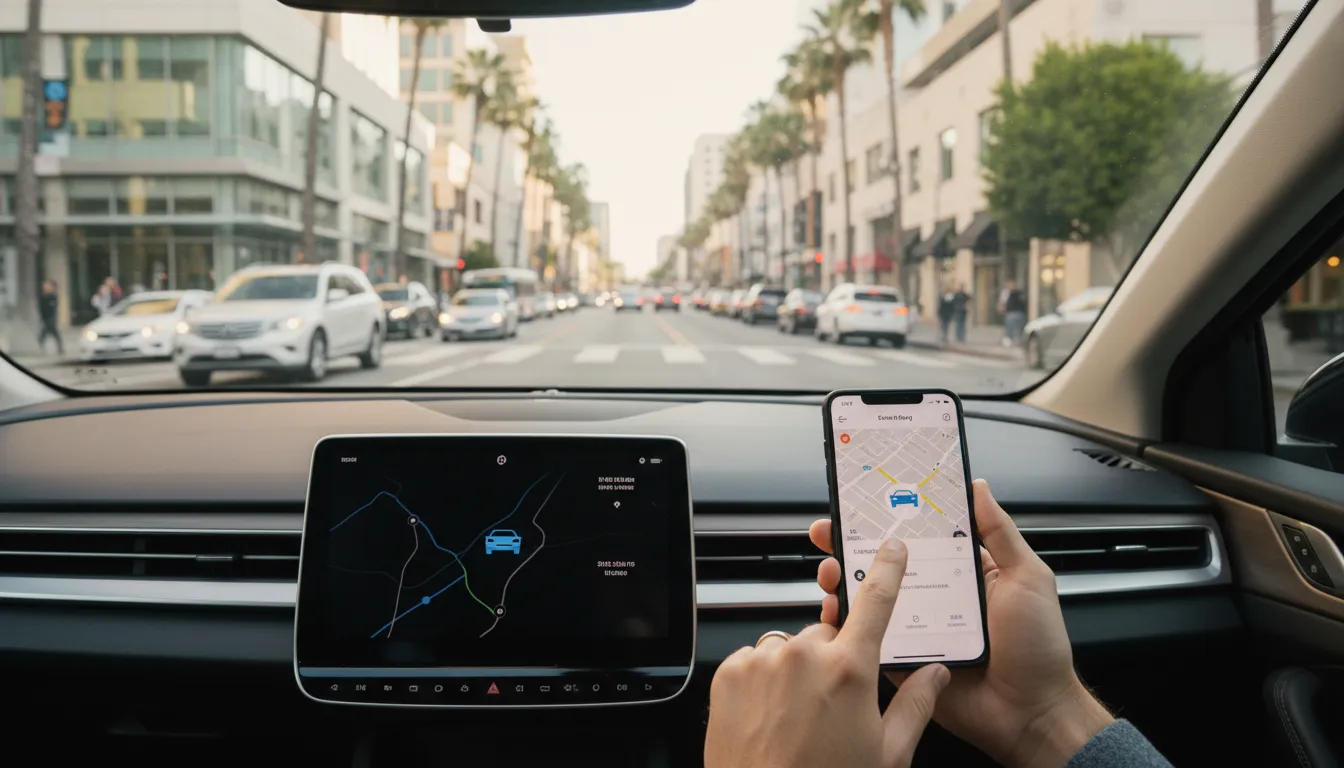
Careful coverage review has a practical reason. California traffic crash deaths carried $5.83 billion in total costs in 2018, according to the Centers for Disease Control and Prevention. Injury claims can involve medical bills, lost work, vehicle damage, and future care needs.
Coverage review before negotiation
Before negotiating, counsel can build a coverage map. It should name the host, guest, any permitted or unlisted driver, passengers, and other motorists. It should also match each person with every possible policy and the related claim notice.
The investigation should address the trip itself. Who booked the car? Who drove at the time of impact? Was a passenger injured? Did another car cause or add to the crash? Answers help show which insurer should receive evidence and a demand.
Passengers may face a harder search for coverage because they did not pick the driver or plan. A passenger can preserve treatment records and crash evidence while counsel identifies responsible parties. DC Law Group’s Turo passenger injury claim guide explains that part of the process.
Who may be liable after a Turo accident in California?
Liability after a Turo crash turns on what caused the collision and what coverage applies. That review matters because traffic crash deaths in California created billions in losses, as reported in a CDC cost summary. Unlike a standard rental claim, a car-sharing crash can put several drivers, policies, and vehicle records in issue.
The guest driver and other motorists
A guest driving the Turo vehicle may be responsible if careless driving caused the crash. Relevant proof can include police records, witness statements, vehicle damage, photos, video, and phone or trip data. A passenger, cyclist, or driver in another car may then seek payment from available coverage tied to that loss.
The Turo guest is not always the at-fault person. Another motorist may have hit the Turo car after speeding, failing to yield, or driving while distracted. The injured person should preserve evidence from every vehicle rather than assume the car-sharing driver must pay.
The guest’s own policy and the protection selected for the booking should be gathered early. Any written coverage denial also matters. Coverage can change how a recovery is paid, but it does not erase proof of careless driving.
The host and the vehicle owner
A host’s conduct can also need review. Investigators may ask whether the host handed over a vehicle with known unsafe brakes, worn tires, or bad lights. Maintenance records, repair bills, recall notices, and messages can show what condition existed before the trip.
The owner issue differs from a claim that the guest drove carelessly. One focuses on decisions behind the wheel; the other focuses on whether an unsafe vehicle contributed to harm. When both issues appear, more than one party and more than one insurer may be involved.
A host may dispute notice of a defect or say damage appeared later. Time-stamped pickup photos can help separate crash damage from a condition that existed before the booking.
Turo should not be treated as the same service as Uber or Lyft. A Turo booking places a guest in a host’s vehicle. Rideshare cases often involve a driver carrying a passenger for a fare. DC Law Group’s guide to rideshare and car-sharing liability explains why coverage questions can differ.
Uninsured drivers and coverage gaps
A hit-and-run driver or a driver without enough insurance can add a new problem. The injured person may need to review any uninsured or underinsured motorist coverage that could apply. That review may include the injured person’s policy, a household policy, and any policy tied to the vehicle or trip.
Insurance records are part of the liability review, not a substitute for proving fault. Key items include the booking details, each driver’s insurance information, the chosen protection plan, and written coverage decisions. Keeping those items together can reduce disputes about which insurer received notice and what it accepted or denied.
A Turo accident lawyer in California can examine each possible source of fault and coverage without forcing the claim into one category. The first question is not simply who rented the vehicle. It is who caused the harm, whether the car was safe, and which coverage responds to the facts.
How does Turo insurance work after a crash?
When a Turo vehicle is in a crash, one insurance card may not answer every claim. Coverage can turn on the booked trip, the driver, the injured person, and each policy’s terms. A careful review starts with the reservation and all available insurance policies.
Where coverage may start
Insurance questions matter because crash injuries may lead to treatment costs and missed work. The CDC reported that California traffic crash deaths created medical and work loss costs in 2018. An injury claim may require proof of both losses and available coverage.
Turo protection is not the same as a finding that someone is at fault. A selected guest or host plan may apply after a booked trip crash. Yet its terms, exclusions, limits, and claim findings still control what it may pay.
Other policies may come into view as facts develop. For example, another driver may have caused the impact. In a hit-and-run or low-limit claim, uninsured or underinsured motorist coverage may also need review.
Possible payment sources after a Turo crash
Several sources may be reviewed at the same time. This table gives a high-level map, not a promise that any source will cover a given loss.
| Possible source | What it may address | Key question |
|---|---|---|
| Turo protection plan | Liability or vehicle damage tied to the booked trip | Which plan applied, and were its terms met? |
| Guest personal auto policy | Guest liability or other covered losses | Does the policy cover car-sharing use? |
| Host policy | Covered claims linked to the owner’s vehicle | Does it exclude car-sharing use? |
| Third-party driver’s policy | Injuries caused by another at-fault driver | Was another driver responsible? |
| UM/UIM coverage | Losses from an uninsured or underinsured driver | Who has applicable UM/UIM coverage? |
| Health insurance or medical liens | Treatment bills while a claim is pending | Must paid bills be repaid later? |
An injured passenger may not control the host’s or guest’s policy choices. That person may still need medical records, trip details, and driver information. DC Law Group’s Turo passenger injury claim guide explains issues passengers can face after a vehicle crash.
A health plan may process treatment bills before a liability dispute ends. Still, reimbursement rights or medical liens can affect a later recovery. Ask for written explanations of benefits and lien notices, then keep them with the claim records.
Documents that help sort the policies
Save the trip receipt, protection plan selection, crash report, photos, witness details, and insurer letters. Keep bills, treatment records, and proof of missed work in one place. These records help show what happened and which carrier should receive notice.
A Turo accident lawyer in California can compare policy language without assuming coverage exists. The review may include whether the booking was active and who drove the vehicle. It may also address another driver’s fault or a dispute about permitted use.
Do not accept a payment or sign a release without knowing which losses it covers. A property payment may not resolve an injury claim. The right path depends on the crash facts, policy wording, and documents available.
What should you do after a Turo accident?
A Turo crash can leave a driver, passenger, pedestrian, or other injured person unsure where to start. First actions should protect health and preserve facts needed for a claim.
California traffic deaths carried medical and work-loss costs in the billions in 2018, according to a CDC state fact sheet. Early care and careful records matter after a serious collision.
Safety and care first
Use these steps whether you rented the Turo car or were hit by one. If injury stops you from acting, ask a witness or trusted person to help.
-
Get to safety and call for help. Move away from traffic if you can do so safely. Call 911 for injuries, danger, or a crash needing emergency response.
-
Get medical care. Accept emergency care when needed, then follow up for pain or new symptoms. Keep visit notes, bills, prescriptions, and work notes together.
-
Request a police report. Tell the officer what you saw, without guessing about speed or fault. Get the report number and the agency contact details.
-
Photograph and collect details. Take photos of damage, plates, the street, traffic controls, skid marks, debris, and visible injury. Gather contact details for drivers, witnesses, and insurers.
-
Report the crash through Turo. If you booked or hosted the vehicle, report it through the app or trip record. Save screenshots, claim numbers, emails, plan pages, and rental messages.
-
Limit recorded statements. Give basic notice of the crash, but do not guess about fault or injuries. Ask to respond after you know your care needs and coverage.
-
Preserve evidence and seek advice. Keep damaged items, receipts, records, photos, messages, and dashcam files. A Turo accident lawyer in California can review which parties may be involved.
Records that may protect your claim
A Turo crash can involve more than a damaged car. Injured passengers should keep trip details and medical records. They can also review a Turo passenger injury claim guide for added context.
Pedestrians and people in another vehicle should save proof that the involved car was booked through Turo. Useful items include the plate number, app screens, messages, and witness names.
Communications after the crash
An adjuster may ask for a recorded statement before treatment is complete or evidence is gathered. Be polite and obtain the caller’s name and claim number. Avoid broad medical releases until you understand the request.
Legal review can matter when accounts differ, injuries continue, or several policies may apply. Counsel can help save records and direct communications while you continue care.
What injury claims can follow a California Turo crash?
A California Turo crash may leave an injured person with treatment bills, missed pay, daily pain, and a damaged vehicle. An injury claim can address each loss. The proof should show how the crash changed the person’s health, work, and routine.
Medical care and documented losses
Medical losses may include emergency care, imaging, follow-up visits, therapy, prescriptions, and future care tied to the injury. Keep discharge papers, bills, receipts, and appointment records in one place. These records connect the injury to treatment and show the cost of recovery.
Lost income may also be part of a claim when injuries keep a person from working. Useful proof can include pay stubs, employer notes, work schedules, tax records, and medical limits on job duties. The financial impact is real. The CDC reported $49 million in medical costs and $5.49 billion in work loss costs from California traffic crash deaths in 2018.
A person may also claim pain and suffering for the human impact of an injury. Examples include pain, sleep loss, trouble driving, reduced movement, or missed family activities. A short daily journal can record symptoms, care visits, and limits in plain words. DC Law Group’s guide to damages in car accident claims explains these loss categories in more detail.
Follow the treatment plan and save referrals, imaging reports, therapy notes, and medication receipts. If symptoms change, tell the provider at a visit. A clear treatment record shows both the injury and how recovery affected everyday tasks.
Passenger injuries and vehicle losses
A passenger can suffer the same serious injuries as a driver, even without any role in causing the crash. The passenger’s claim may require review of the Turo driver’s conduct, another driver’s conduct, and trip coverage. The firm’s Turo passenger injury claim resource outlines issues passengers may face after a collision.
Property damage is separate from bodily harm, but it can disrupt daily life at the same time. A claim may seek payment for repairs, replacement value, towing, storage, or loss of use. Save repair estimates, photographs, rental receipts, and messages about the damaged vehicle.
Care coordination after the crash
Turo injury cases can involve several lines of communication at once. The injured person may hear from drivers, insurers, repair shops, medical providers, or a platform representative. Early organization helps prevent missed records and makes it easier to explain each claimed loss.
DC Law Group can help coordinate medical care and vehicle repair or replacement needs while an injury claim is reviewed. A Turo accident lawyer in California can also gather records, organize wage proof, and present treatment effects. Consistent medical follow-up matters because gaps in records can make the injury history harder to show.
How a lawyer builds a Turo accident claim
A Turo crash claim often starts with a basic question: which policy must respond to the injury? A lawyer builds the answer from records, not guesses. This process matters because crash harm can disrupt health, work, and family finances. The CDC report on California crash death costs shows how serious the impact of traffic crashes can be.
Preserving the trip record
A Turo accident lawyer in California first works to preserve proof tied to the booking and crash. That proof can include the trip receipt, protection plan selection, app messages, pickup photos, return photos, and any damage notices. These items may show who booked the vehicle, who had it, and what coverage was chosen.
Scene proof is also important. A lawyer gathers photos of both cars, video, the police report, witness names, and contact details. If a nearby business or home may have camera footage, counsel can seek it before it is erased. This evidence helps test each account of how the collision occurred.
- Trip confirmation, host messages, and app reports
- Crash photos, repair estimates, and vehicle history records
- Police reports, witness statements, and available video
- Insurance cards, declarations pages, and coverage notices
.
Connecting injury proof to the crash
A claim also needs a clear record of the injuries and losses. Counsel collects emergency care records, follow-up visits, imaging results, bills, work notes, and wage records. Those documents can show the course of care and the effect of missed work. They also help answer an insurer that disputes the need for treatment.
Some people were passengers rather than drivers or hosts. Their claim may depend on the same crash proof, but their coverage path can differ. DC Law Group’s guide to a Turo passenger injury claim explains issues that may apply when an injured rider did not control either car.
Sorting coverage and negotiating the claim
Turo cases may involve more than one source of insurance. A lawyer requests declarations pages and coverage positions from the renter, host, and involved drivers. Counsel also reviews the selected Turo protection plan and any claim correspondence. This work can reveal disputed limits, exclusions, or efforts to shift responsibility.
Once the record is complete, counsel presents the liability proof, medical records, bills, wage loss, and other documented harm. Each insurer can then be asked to state its position in writing. If adjusters disagree about coverage, the lawyer can address those disputes while protecting the injury claim.
Negotiation is not only an exchange of numbers. It is a test of whether the evidence supports fault, coverage, and the claimed losses. A careful claim file lets the injured person understand what is being offered and what remains disputed.
How are Turo claims different from rideshare claims?
Peer-to-peer car sharing versus a passenger ride
A Turo crash is not the same type of claim as an Uber or Lyft crash. Turo connects a vehicle host with a guest who uses the car. The central questions often start with the shared car, the booking, and the coverage tied to that use.
By contrast, an Uber or Lyft case starts with an app-dispatched passenger ride. The driver may be waiting for a request, traveling to a pickup, or carrying a rider when the collision occurs. Those facts help place the crash within the right claim path.
Why the insurance review starts differently
An injured person may see the same harm in either case: a wreck, medical care, missed work, and insurer calls. The CDC’s California crash-cost resource shows that crash deaths impose medical and work-loss costs across the state. It does not decide who pays an individual claim.
The party map changes with the app’s purpose. In a Turo claim, records may include the host, guest, reservation, vehicle condition, and protection plan selected for the booked car. A review of rideshare and car-sharing liability focuses instead on ride status and passenger transport.
When delivery activity overlaps with a Turo booking
Delivery-driver crashes are different again. The driver is completing or seeking a delivery, not renting a host’s car through a peer-to-peer reservation. The evidence may focus on delivery activity, work-related responsibility, and available auto coverage.
A Turo vehicle can also be used during delivery or rideshare activity. That overlap does not turn every Turo crash into a delivery or rideshare case. It means the claim may need both the Turo booking records and proof of what the driver was doing.
For an injury involving a food or package delivery trip, see DC Law Group’s guide to insurance issues in commercial crashes. For a Turo booking, the first records to preserve are different: reservation details, host and guest messages, photos, insurance notices, and medical records.
A Turo accident lawyer in California can sort the case by how the vehicle was being used at the time of impact. That keeps a peer-to-peer car-sharing claim focused on its facts, instead of treating it as an app-dispatched ride or delivery claim.
Need help sorting out Turo insurance and liability? Book a free consultation with DC Law Group before you respond to adjusters or sign a release.
Frequently Asked Questions
What happens if I get in an accident with a Turo car in California?
After a California crash involving a Turo car, seek medical care, call law enforcement when appropriate, and document the vehicles, injuries, roadway, and witnesses. Report the crash through the required channels, but avoid guessing about fault. Save the reservation, protection plan, medical records, and repair information. These records can help identify available coverage and support an injury claim.
Who is liable in a Turo accident in California?
Liability depends on how the crash happened and which person acted negligently. A guest driver, another motorist, or a host who provided an unsafe vehicle may be responsible in some cases. A Turo claim can involve the guest’s insurance, the host’s coverage, and the selected platform protection plan. Evidence such as photos, reports, maintenance records, and policy documents matters.
Does Turo insurance cover injuries after a crash?
Turo protection and personal auto insurance may apply differently based on selected plans, policy exclusions, and use of the car. Coverage may be disputed if the trip violated platform terms, such as unauthorized commercial use. California Turo accident guidance states that these claims often require coordination among several insurance carriers.
When should I file an injury claim after a Turo crash in California?
Start the claim process promptly after getting medical care and collecting crash records. Delays can make it harder to locate evidence or resolve insurance questions. In California, the general deadline for a personal injury lawsuit is two years from the accident date. This timing is described in published Turo accident guidance, although exceptions may apply in some cases.
Can I sue a Turo host after a car-sharing crash?
A person injured in a California Turo crash may have a claim against a host in some situations. Evidence must show that the host caused or contributed to the injury, such as by providing an unsafe vehicle. A host is not automatically liable merely because the car was listed on Turo. Maintenance records, communications, insurance terms, and crash evidence help identify the proper parties.
Ready to discuss your California Turo accident?
Waiting after a Turo crash can add stress while medical bills, damaged property, and insurer requests may demand attention. Delays may make it harder to collect documents, record key details, and understand which claim steps need attention first. Starting now gives counsel time to review your situation, identify next steps, and help you approach the process with a clear plan and less uncertainty.
Ready to protect your next steps after a California car-sharing collision? Schedule a free consultation to talk to a lawyer about your injuries, insurance questions, and possible claim options. Contact DC Law Group today to organize your information, ask focused questions, and decide how to proceed before more time passes.
Injured in an accident? Learn how our California personal injury lawyers can help you get maximum compensation. Free consultation — no fees unless we win.