


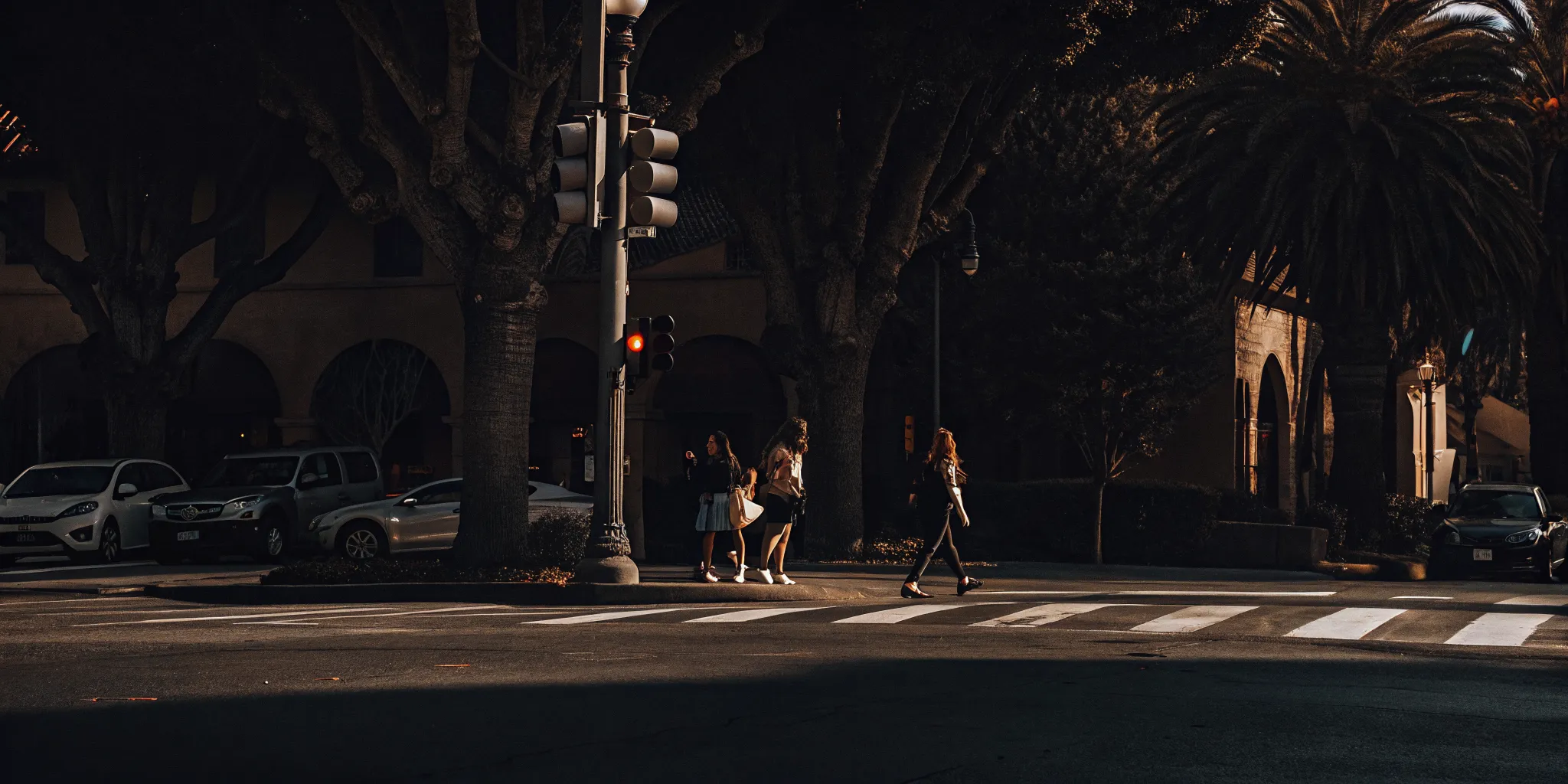
A crosswalk collision can turn an ordinary Modesto trip into a medical emergency. The steps taken in the first hours can protect your health, preserve vital evidence, and strengthen your injury claim.
Contact a Modesto pedestrian accident lawyer today for a free consultation.
Understanding why crosswalk crashes cause serious injuries helps explain why prompt care, careful records, and preserved evidence matter. Start with immediate safety, then protect the information that may show what happened.
What should you do after a Modesto pedestrian accident?
After a Modesto pedestrian accident, move to safety if possible, call 911, accept medical care, photograph the scene, and collect witness details. Preserve police information, damaged items, and medical records. A lawyer can seek time-sensitive video, assess driver fault, document losses, and handle insurer communications.
The moments after a pedestrian crash can feel confusing and frightening. Focus first on getting out of further danger and calling for help. If you cannot move safely, stay still and ask someone nearby to protect the area.
Immediate safety and medical care
Use this sequence as a guide, but adjust it to your injuries and the conditions around you. The National Highway Traffic Safety Administration’s pedestrian safety guidance also explains how drivers and pedestrians can reduce road risks.
-
Move away from traffic if you can. Reach a sidewalk or another safe spot without placing weight on a painful limb. Do not leave the area entirely.
-
Call 911. Ask for emergency medical help and law enforcement. Tell the dispatcher where the crash happened, including the nearest street, intersection, landmark, or business.
-
Accept medical care. Let emergency staff check you, even if pain seems mild at first. Describe every symptom clearly, and follow later care instructions from your medical team.
-
Document the scene when safe. Photograph the vehicle, damage, roadway, signals, signs, skid marks, debris, and your injuries. Capture wide views and close details without stepping into traffic.
-
Collect names and details. Get the driver’s name, contact details, license plate, insurer, and vehicle description. Ask witnesses for their names, phone numbers, and a brief account of what they saw.
-
Preserve records and physical evidence. Keep medical papers, police information, photographs, damaged items, and messages together. Save the clothing and shoes worn during the crash without washing or repairing them.
Scene details that may matter later
Small details can fade fast. Write down the time, weather, traffic flow, signal phase, and where each person was before impact. Note any nearby cameras on homes, stores, buses, or other vehicles, since recorded footage may not remain available.
Do not argue with the driver or guess about fault. Give police an accurate account, correct obvious errors, and avoid filling gaps with assumptions. The same care applies when discussing the crash with an insurer or posting about it online.
Evidence and follow-up care
Keep a simple daily record of pain, sleep problems, missed activities, appointments, and treatment. Prompt, consistent medical records can help show how injuries began and how they affect daily life. Store every document in one folder so key records are easier to find.
A family member can help gather records when injuries make these tasks hard. For more detail on claims and evidence, review this guide to pedestrian accident lawyer help. A Modesto pedestrian accident lawyer can also explain which records may be relevant to your specific situation.
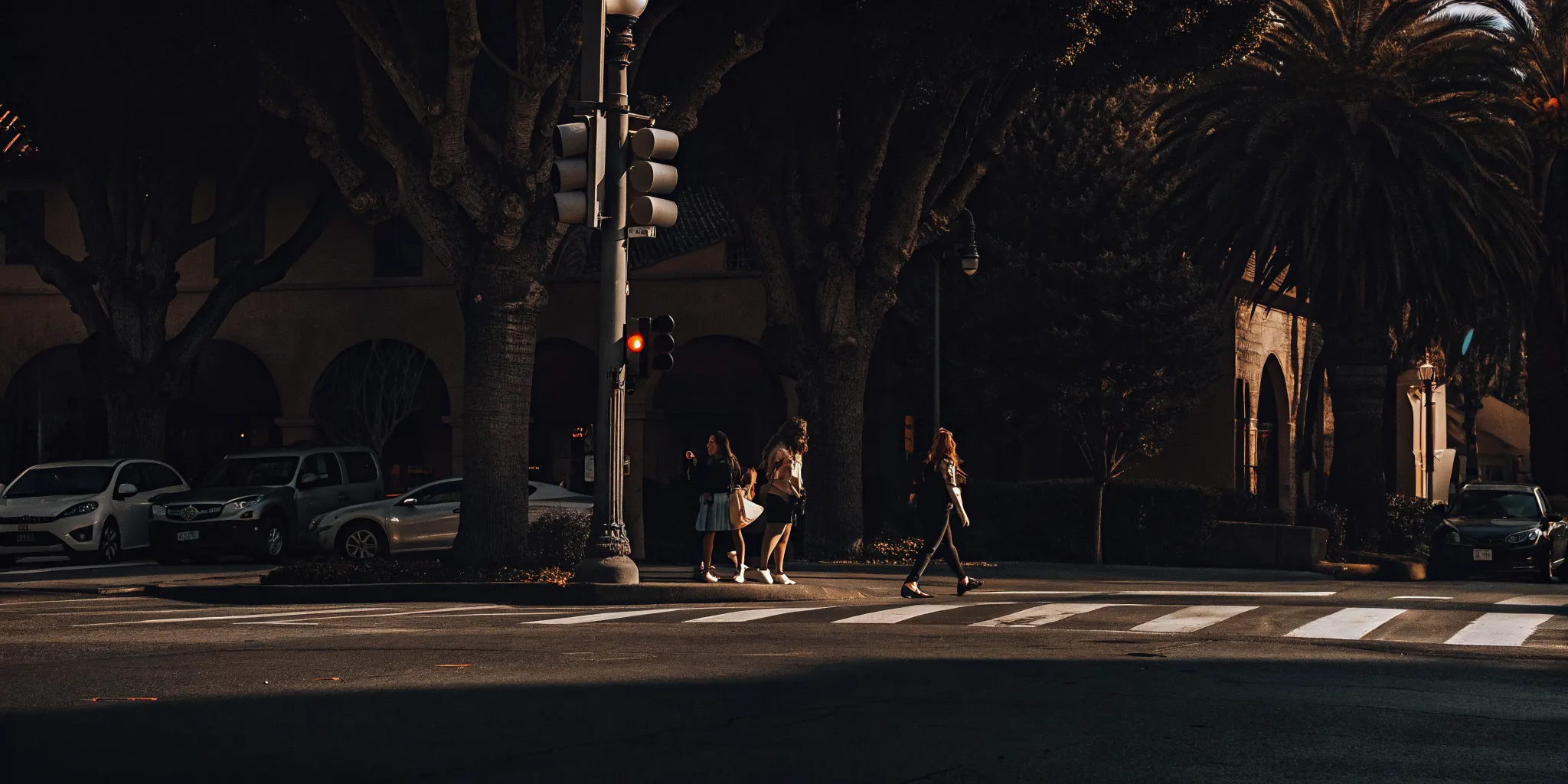
Which evidence can establish driver fault?
Crosswalk and intersection records
Fault analysis starts with the exact place where the collision happened. Photos can show crosswalk lines, curb ramps, lane markings, stop lines, signs, and sight obstructions. Wider photos may also show where the driver began a turn and where the pedestrian entered the road.
Traffic signal records can add context that a still photo cannot provide. Signal timing data may show the order and length of walk signals, traffic lights, and turn arrows. Investigators can compare that data with video, witness accounts, and the crash time.
California law requires a driver to yield to a pedestrian crossing within a marked or unmarked crosswalk. It also requires pedestrians and drivers to use due care in the circumstances. The text of California Vehicle Code section 21950 explains both duties.
Video, photos, and witness accounts
Nearby surveillance video may capture the collision, the seconds before impact, or traffic conditions. Useful sources can include homes, shops, parking areas, buses, and public cameras. Since some systems erase older recordings, asking for footage soon after the crash can matter.
Dashcam footage may show speed changes, lane position, signal color, or whether the driver braked. Phone photos can preserve vehicle damage, debris, skid marks, weather, lighting, and the pedestrian’s location. Their value grows when the original files keep timestamps and other file details.
Witnesses may describe who had the signal, how the vehicle moved, or whether the driver appeared distracted. Their contact details should be saved because a police report may not include every observer. A witness who saw only part of the event can still confirm one key point.
A pedestrian accident claim review can bring these separate records into one timeline. That timeline should note what each item proves, what remains uncertain, and whether accounts conflict.
How conduct and shared fault are assessed
Evidence is used to test specific acts, not just to assign blame based on the outcome. Driver fault may involve failure to yield, an unsafe turn, phone use, or speed. It may also involve failing to see a visible pedestrian. Video and signal data can help distinguish one act from another.
Investigators may compare the driver’s account with the physical scene and independent records. For example, a claim that the pedestrian appeared suddenly may be tested against sight lines and video. Braking evidence and vehicle damage may also help explain when the driver reacted.
The pedestrian’s actions may also be reviewed. Relevant questions include where the person crossed, which signal was active, and whether either party had time to avoid impact. Comparative fault does not require an all-or-nothing finding, and the available proof may support different shares of responsibility.
A Modesto collision evidence guide can help explain how records fit together across related crash claims. A Modesto pedestrian accident lawyer may also look for missing footage, unclear signal records, or witnesses who were not interviewed.
Why does medical documentation matter?
Prompt evaluation and the first record
A prompt medical exam creates an early record of your symptoms, reported pain, and physical findings after a pedestrian crash. Tell the provider what happened and describe every area that hurts. Do not leave out mild symptoms because another injury feels worse. Clear details can help providers choose suitable care and show how your condition began.
Medical notes may include test results, diagnoses, treatment plans, work limits, and referrals. Together, these medical records can show what providers saw and how your symptoms changed. They do not prove every part of a claim on their own. Still, missing or vague early records may leave key questions about the injury and its cause.
Follow-up care and later symptoms
Some symptoms may appear or become more noticeable after the first visit. Report new pain, numbness, sleep trouble, headaches, or movement limits to a medical provider. Avoid guessing about the cause or changing details. A provider can assess the symptom and decide whether more testing, care, or a referral is needed.
Follow-up visits also create a timeline of recovery. Attend scheduled appointments when possible, follow medical advice, and explain any trouble that prevents you from completing the plan. If a treatment causes a problem, tell the provider instead of stopping without notice. Consistent records help show which care was advised, what you completed, and how you responded.
Keep discharge papers, appointment details, referral notes, and written work restrictions in one place. Also note missed appointments and the reason for each one. A pedestrian accident lawyer may review these materials with other evidence. The review can help find gaps that need a clear, truthful explanation.
Daily effects in clear detail
Clinical notes may not capture every way an injury changes daily life. Keep a simple dated journal about pain, sleep, movement, and tasks you could not complete. Describe specific limits instead of using broad phrases. For example, note if standing to cook, walking to a bus stop, or lifting a child became hard.
Include changes in work duties, missed shifts, household chores, driving, exercise, and social plans. Record the help you needed and how long each problem lasted. Be accurate on good days and difficult days. Exaggerated entries can weaken trust, while steady detail gives medical providers and legal counsel useful context.
Bring key changes to follow-up visits so the provider can assess them and update the treatment plan when needed. Records should reflect your actual symptoms, not what you think a claim requires. If you speak with a Modesto pedestrian accident lawyer, bring both medical papers and your daily journal. That combination can support a careful review without promising a result.
What compensation may be available after a pedestrian injury?
Compensation after a pedestrian crash depends on the facts, available coverage, and proof of each loss. No two claims have the same value. A Modesto pedestrian accident lawyer can review how the injury changed your health, work, and daily life.
Medical care and income losses
Medical bills may include ambulance care, hospital treatment, surgery, therapy, medication, and follow-up visits. A claim may also address care that doctors expect you will need later. Keep every bill, medical record, referral, prescription, and appointment notice in one safe place.
Consistent records can help show how the injury relates to the crash and affects your recovery. Missed visits or gaps may leave important questions unanswered. Our guide to pedestrian accident lawyer help explains why preserving evidence matters after a serious injury.
Time away from work may also support an income loss claim. Useful proof can include pay statements, tax records, schedules, and a letter from your employer. If injuries limit future work, records about your skills, duties, restrictions, and career path may help explain reduced earning ability.
| Compensation category | Examples | Records to preserve |
|---|---|---|
| Medical care | Emergency treatment, therapy, medication | Bills, records, referrals |
| Ongoing care | Future treatment, support, equipment | Doctor notes, care plans |
| Income loss | Missed shifts, used leave | Pay statements, schedules |
| Reduced earning ability | Changed duties, fewer hours | Restrictions, work history |
| Pain and emotional impact | Discomfort, fear, sleep problems | Medical notes, personal journal |
| Other supported losses | Damaged items, needed services | Receipts, photos, service records |
Pain, suffering, and emotional impact
Some losses do not appear on a bill. Pain may make it hard to sleep, walk, drive, care for family, or enjoy normal routines. Emotional effects may include fear near traffic, stress, or distress tied to the crash and recovery.
Describe these effects with clear, honest details rather than broad labels. A dated journal can track symptoms, limits, missed events, and changes over time. Medical and therapy records may also show what you reported and how providers responded.
Family members, friends, or coworkers may notice changes in your movement, mood, or daily tasks. Their observations can add context, but they should not replace medical proof. Keep names and contact details for people who directly saw those changes.
Other supported losses and case limits
A claim may include other losses that can be tied to the crash and supported with records. Examples may involve damaged personal items or help needed for tasks you handled before the injury. Save receipts, photos, service records, and notes explaining why each item was needed.
Details also matter when an injury changes household routines. Note which tasks you could not perform, who helped, how often help was needed, and when your ability changed. Preserve messages or calendars that confirm the timing. These records can make a broad statement about daily limits more concrete.
The final result may depend on fault disputes, insurance coverage, injury severity, and the strength of the evidence. For related local guidance, review the Modesto accident lawyer guide. It covers evidence steps that can also matter in pedestrian claims.
Do not assume that a diagnosis alone proves every claimed loss. Strong documentation connects each category to the crash and shows its real effect. A careful review can separate supported losses from items that need more proof, without promising a set outcome.
How can a Modesto pedestrian accident lawyer help?
A pedestrian crash can leave a person managing injuries, missed work, appointments, and calls from insurers at the same time. A Modesto pedestrian accident lawyer can take on the claim work while the injured person focuses on care. Counsel can also explain each choice in plain language, without making promises about the result.
Investigating and preserving evidence
A lawyer can start by learning how the crash happened and finding evidence that may support the injured person’s account. This work may include reviewing police documentation, scene photographs, vehicle damage, and the location of traffic signals or signs. Counsel can also compare those details with the driver’s account and other available records.
Some useful evidence can disappear quickly. A business may record nearby streets, but its camera system may later replace old footage. A lawyer can seek surveillance or dashcam video and contact witnesses before memories fade. The firm’s guide to pedestrian accident lawyer help explains more ways counsel can support an injured pedestrian.
- Collect witness names, contact details, and clear statements about what they saw.
- Preserve photographs, video, police documentation, and records tied to the crash.
- Review whether a driver failed to yield, made an unsafe turn, or lacked a proper lookout.
Counsel can also look for gaps that need follow-up. For example, a police report may not list a witness who stopped briefly at the scene. A prompt investigation gives the legal team a better chance to find and preserve that person’s account.
Building a clear record of injuries and losses
Medical records help show what care a person received after the crash. They may also describe symptoms, test results, treatment plans, and limits on daily tasks. A lawyer can organize those records with appointment dates and related documents, creating a clear timeline for the claim.
Consistent records may help connect the reported injuries with the crash and explain how those injuries affect daily life. Counsel can ask about missed work, transportation needs, home assistance, and future care discussed by medical providers. The aim is to assess the full effect of the incident, not just the first days after it.
Pedestrian claims can overlap with issues found in other roadway cases, such as disputed fault and several insurance policies. DC Law Group’s Modesto car accident lawyer guide offers added context about common claim concerns. A lawyer can apply the relevant parts while keeping the pedestrian’s facts at the center.
Handling insurers and explaining next steps
Insurance adjusters may request a statement, medical authorization, or other records soon after a crash. A lawyer can review those requests, provide supported information, and handle routine communication. This can reduce confusion and help prevent incomplete details from shaping the claim.
Counsel can also explain which policy may apply and what information is still needed. If fault is disputed, the lawyer can present evidence and address the insurer’s position. The client should receive updates about major developments, open questions, and available options at each stage.
Next steps depend on the evidence, medical progress, and the insurer’s response. A lawyer may discuss further investigation, a claim package, negotiations, or filing a lawsuit when appropriate. Each path has tradeoffs, so the advice should reflect the person’s facts and goals.
Frequently Asked Questions
What evidence should I preserve after a Modesto pedestrian accident?
Preserve photographs of the crosswalk, intersection, vehicle, visible injuries, traffic signals, signs, and nearby cameras. Collect witness names and contact details, and request the police report when available. Keep damaged clothing, shoes, medical records, and correspondence from insurers. A pedestrian accident lawyer can also help seek surveillance or dashcam footage before it is erased.
How soon should I get medical care after being hit by a vehicle?
Seek emergency help immediately for severe pain, bleeding, loss of consciousness, breathing trouble, or possible head or spine injuries. Otherwise, arrange a medical evaluation as soon as possible because some injuries appear later. Describe every symptom and attend follow-up visits. Prompt, consistent medical records can connect the injuries to the collision and document how they affect daily life.
Can I bring a claim if I was hit outside a marked crosswalk?
Possibly. Being outside a marked crosswalk does not automatically decide who caused a pedestrian collision. The facts may include visibility, traffic signals, vehicle speed, driver distraction, turning movements, and each person’s actions. California fault rules can affect the outcome. A Modesto pedestrian accident lawyer can review the evidence and explain how the circumstances may influence a claim.
What compensation may be available after a pedestrian injury?
A pedestrian injury claim may address medical care, rehabilitation, lost income, reduced ability to work, pain, emotional distress, and damaged personal property. The available categories and value depend on the injuries, supporting records, responsibility for the collision, and insurance coverage. Keep bills, employment documents, medical records, and a written account of how the injury changes daily activities.
When should I contact a Modesto pedestrian accident lawyer?
Contact a lawyer as soon as immediate medical and safety needs are addressed. Early review can help preserve video, locate witnesses, organize records, and handle insurer communications before evidence disappears. Bring any police information, photographs, medical documents, witness details, and insurance letters. DC Law Group offers a Free Consultation to discuss the collision and possible next steps.
Ready to protect your Modesto pedestrian claim?
Waiting can leave important details harder to document and add more uncertainty while you manage injuries, appointments, and daily responsibilities in the days ahead. Starting now gives your legal team more time to understand what happened, organize available records, and address questions before they become larger obstacles. Early guidance can also help you make informed choices, avoid preventable missteps, and focus on the next practical step for your pedestrian injury claim.
You do not have to sort through insurance calls, paperwork, and unanswered questions alone while trying to recover. Ready to discuss your options and build a clear path forward? Contact DC Law Group for a consultation about your pedestrian accident claim today.
Injured in an accident? Learn how our California personal injury lawyers can help you get maximum compensation. Free consultation — no fees unless we win.