


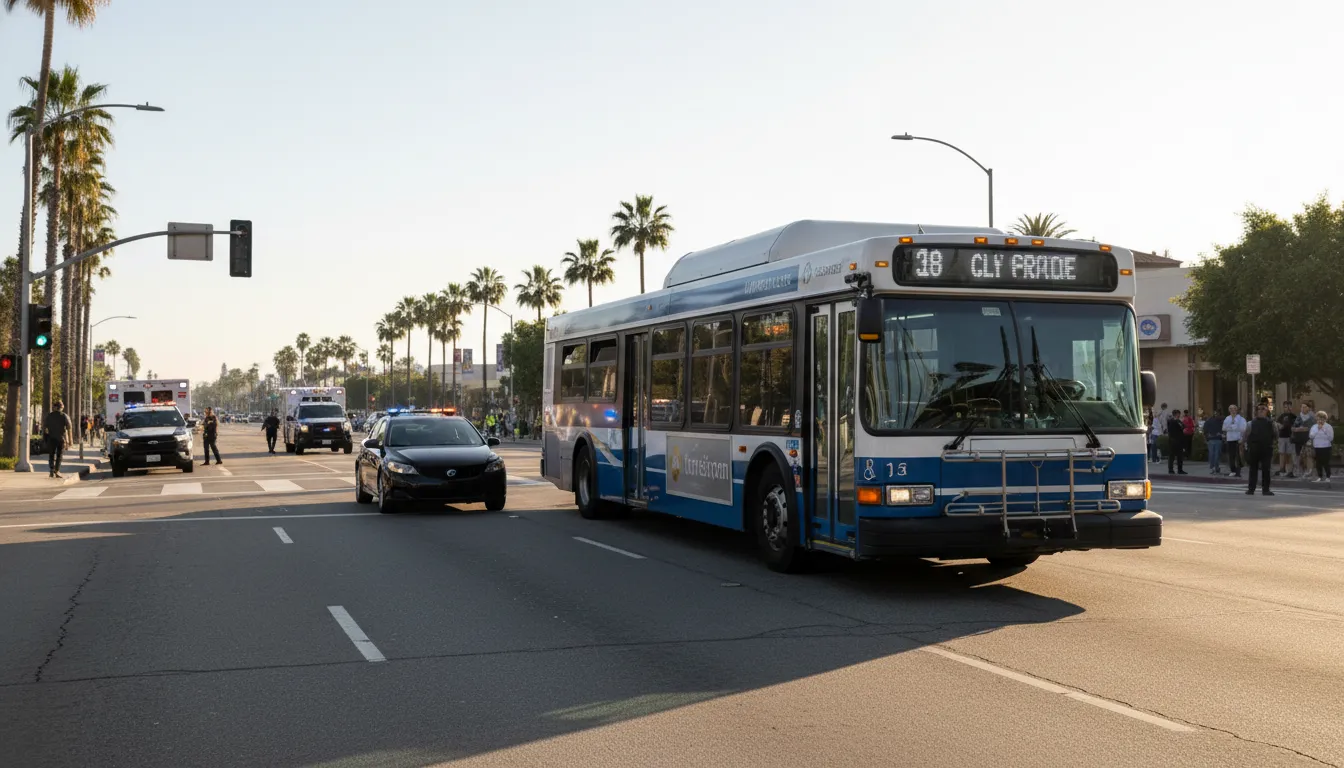
A bus crash can turn a routine ride into a race against evidence loss. The operator, agency, or district involved may control records your injury claim needs.
Contact a California bus accident lawyer at DC Law Group for a free consultation.
California bus accident lawyer representation helps injured passengers, drivers, pedestrians, and families pursue claims after public transit, charter bus, tour bus, shuttle, or school bus crashes. A lawyer can identify whether a transit agency, private operator, school district, driver, contractor, or another motorist may be responsible. They can preserve video, logs, and witness accounts, while documenting brain injuries, spinal harm, fractures, income loss, and future care needs. Public agency claims can carry shorter notice deadlines than ordinary injury cases, so waiting may harm important rights or proof. The Federal Motor Carrier Safety Administration oversees commercial motor vehicle safety, making early legal action vital when commercial carrier records matter in a claim.
If you were hurt on a city bus, shuttle, motorcoach, or school bus, the first question is whether legal help can protect your recovery. The next section, “When a California bus accident lawyer can help,” explains the key moments for securing proof and moving a claim forward. Here’s how.
When a California bus accident lawyer can help
A bus crash can hurt passengers, people crossing the street, cyclists, children, and drivers in nearby cars. It can involve public transit, a school bus, an airport shuttle, or a private tour bus. Contacting counsel soon is sensible when injuries need care, fault is disputed, or a bus operator asks for a statement.
Who may need legal guidance
Passengers may have claims after a hard stop, door incident, fall, or collision, even when the bus never strikes another vehicle. A pedestrian or cyclist may need help if a bus struck them or forced an unsafe move. A parent may need advice when a child is hurt while boarding, riding, or leaving a school bus.
School bus safety issues can extend beyond a crash. The National Highway Traffic Safety Administration says drivers may not pass a stopped school bus when its red lights flash and stop arm is out. This rule protects children and others nearby. Families can also review DC Law Group’s Fresno school bus collision report for an example of school transportation crash facts.
Why bus cases are different
An ordinary two-car claim often focuses on the drivers and their insurers. A bus claim may require a review of the driver, operating company, public agency, school district, maintenance contractor, or another motorist. For an injured passenger, counsel can assess whether common carrier duties apply and what proof shows a breach.
The kind of bus also matters. The Federal Motor Carrier Safety Administration oversees safety for commercial motor vehicles. That role may matter in a charter or tour bus investigation. Public transit and school transportation may involve different operators, records, and claim procedures from a private car crash.
Evidence that should be protected early
A California bus accident lawyer can send requests to preserve useful records before they are lost in routine business operations. These may include onboard video, exterior camera footage, driver logs, dispatch records, inspection files, route data, passenger reports, and maintenance work orders.
Early investigation may locate witnesses before memories fade or contact details change. Injured people should keep medical records, photos, transit tickets, app receipts, and any incident number they received. If a government agency or school district may be involved, early legal review helps identify the correct claim process and deadlines.
Who may be liable for a bus crash in California?
The driver and the bus operator
A bus crash may begin with a driver’s act, such as unsafe speed, a missed signal, or a poor turn. The investigation may then ask whether the driver was working for a city agency, a school district, or a private company. That answer can affect which parties receive notice of a claim.
The operator may also face review for hiring, training, route planning, supervision, or upkeep of its buses. A public transit agency can be involved when its bus or employee is connected to the crash. A private coach, shuttle, tour, or charter company may be reviewed in the same way, based on its role and records.
Commercial bus operations also fall within a safety framework. The Federal Motor Carrier Safety Administration provides safety oversight for commercial motor vehicles. That oversight can make driver files, inspection records, and company safety practices important when a charter or tour bus is involved.
Schools, repair vendors, and vehicle makers
A school bus case can involve the driver, the district, or a contractor that provided transportation. Facts matter: who hired the driver, who owned the bus, and who controlled the route or safety rules. Families can review DC Law Group’s Fresno school bus accident information for a related school transportation example.
Liability may reach beyond the operator when a mechanical issue contributed to the collision. A repair vendor or maintenance contractor may be examined if repair work was missed or done poorly. A vehicle or parts maker may be involved if evidence points to a defective brake part, tire, restraint, door, or other component.
These issues often turn on records and physical proof. Service logs, inspection reports, driver schedules, camera footage, electronic data, and damaged parts may help show what failed. Preserving this material early can help keep several possible paths of fault open during the investigation.
Road hazards and other drivers
Not every bus collision starts inside the bus. Another driver may cut into a bus lane, run a light, rear-end a stopped bus, or fail to stop near a school bus. The National Highway Traffic Safety Administration states that drivers may not pass a school bus while its stop arm is extended and red lights are flashing.
A dangerous road condition may also need review, such as a failed signal, unsafe work-zone setup, missing sign, or hazardous roadway design. A city, county, or state entity may control that condition, while a contractor may have performed the work. The proof must link the road problem to the crash and identify the party responsible for it.
More than one person or entity may share fault in a California bus crash. For example, evidence may point to both an unsafe driver decision and poor maintenance. A careful claim review identifies every responsible party, the evidence tied to each role, and any special procedure that may apply.
Public transit, charter bus, and school bus claims compared
DC Law Group evaluates a bus crash claim by identifying who ran the vehicle and why it was on the road. A city route, tour coach, hotel shuttle, and school bus can raise different questions about notice, records, insurance, and safety duties.
The same crash can involve more than one claim path. A public agency may operate the bus, while a private vendor or another driver may share fault. Finding each responsible party early helps keep evidence requests and claim steps on track.
Who controlled the trip?
With a public bus, the first issue is the operator’s legal identity. A city or transit agency may require a government claim process before an injured person can file suit. Route records, camera video, incident reports, and driver schedules can help show what occurred.
A privately run charter bus or shuttle usually shifts the focus to the company and its insurer. Counsel may review the driver, vehicle owner, maintenance provider, and any business that arranged the trip. DC Law Group has also covered legal help for bus accident victims after a transit bus collision.
| Bus setting | Likely operator focus | Common deadline issue | Key records |
|---|---|---|---|
| Public transit bus | Transit agency or city operator | Government claim notice may be due within 6 months | Route data, video, incident reports, driver schedules |
| Charter or tour bus | Private motor carrier | Personal injury lawsuit deadline is often 2 years | Driver qualification file, inspection logs, carrier safety records |
| Private shuttle | Shuttle company or contracting business | Deadline depends on the company and contract structure | Contracts, dispatch records, insurance information |
| School bus | District or contracted carrier | Public school or district involvement may trigger a 6-month notice | Loading procedures, supervision records, video, district communications |
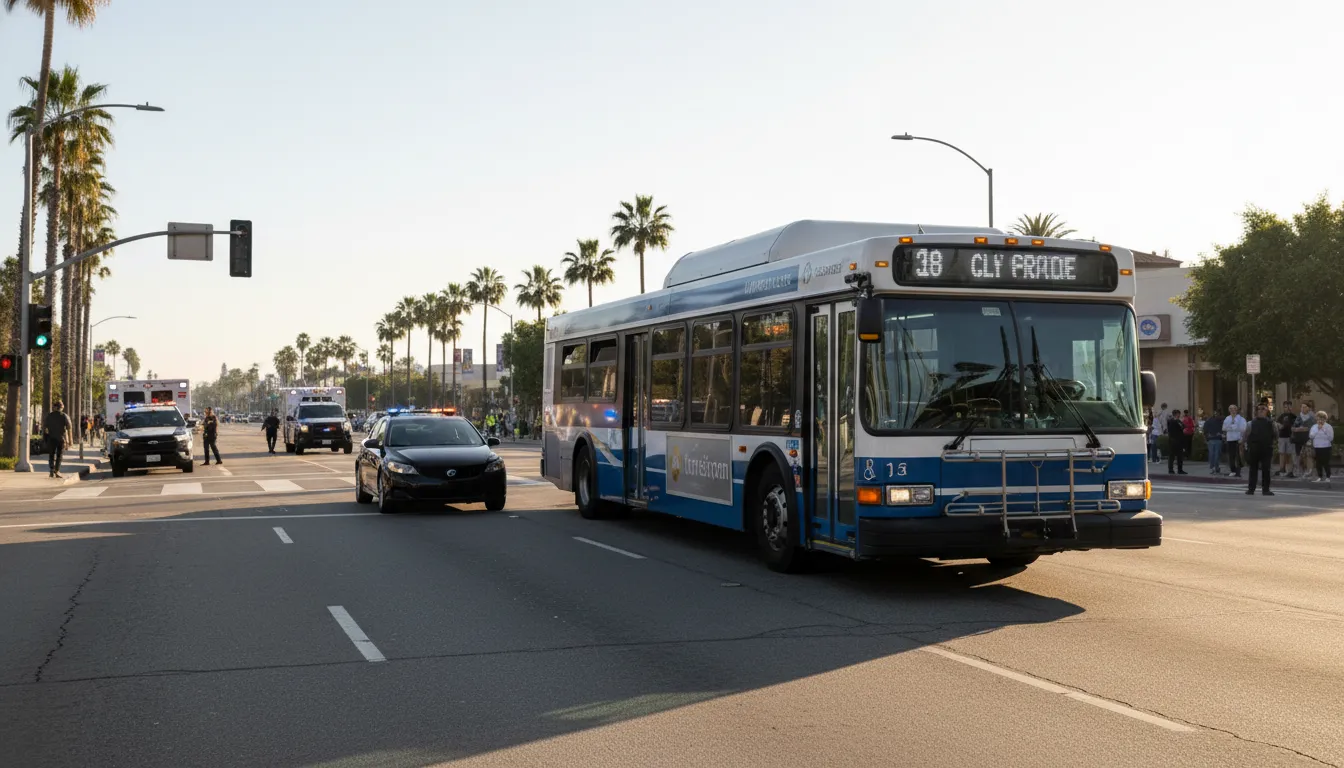
Commercial bus safety records
Charter and tour buses may be commercial motor vehicles under federal oversight. The Federal Motor Carrier Safety Administration oversees commercial motor vehicle safety. That makes driver qualification files, inspection records, maintenance logs, and hours records useful evidence in a crash review.
A shuttle claim can be less clear at first. A hotel, airport contractor, employer, or transport company may own or control part of the ride. The contract and dispatch trail can show who selected the driver, set the route, or maintained the vehicle.
School transportation duties
A school bus case calls for careful review of the child passenger’s trip. Key proof may include loading procedures, supervision records, driver reports, video, and communications with a district or contractor. These records help separate a driving error from a boarding, unloading, or supervision failure.
School bus safety also involves nearby drivers. The National Highway Traffic Safety Administration states that drivers may not pass a school bus with flashing red lights. This rule applies while the bus stop arm is out.
A California bus accident lawyer can identify the operator and request records before evidence is lost. The right claim path may differ for an agency, a private carrier, or a school transportation provider.
What should you do after a bus accident?
A bus crash can leave you shaken and unsure what to do first. Start with care and safety, then collect details while they are still available. These steps help preserve a clear account of a public transit, school, charter, or tour bus crash in California.
At the scene and soon after
- Get medical care. Call 911 for urgent injuries or danger at the scene. Even if you leave on your own, seek care if pain, dizziness, stiffness, or confusion begins later.
- Report the crash. Ask law enforcement for a report when possible. Report the crash to the transit agency, school, or bus company as well. Save the report number and the name of each person who receives your report.
- Collect bus details. Note the route, vehicle number, stop or crash location, time, driver’s name, and operator name. The Federal Motor Carrier Safety Administration provides safety oversight for commercial motor vehicles, which can include commercial bus operators.
- Save photos and witness details. Photograph vehicles, the road, the bus number, visible injuries, and damaged belongings. Ask witnesses for their names and contact information. Note onboard cameras or nearby security cameras.
- Avoid a recorded statement. An insurer or operator may contact you soon after the crash. Give needed contact details, but do not guess about fault or your injuries. Consider legal advice before a recorded interview.
- Track symptoms and expenses. Keep medical papers, receipts, missed-work notes, and damaged-property records together. In a daily log, record pain and limits on work, sleep, travel, or household tasks.
- Speak with an attorney promptly. A California accident claim help can review who operated the bus and seek available records. Bring reports, photos, witness contacts, and medical paperwork to the review.
.
.
.
.
.
.
.
Hidden injuries and ongoing care
Not every injury is clear at the crash scene. If new symptoms appear, tell a medical provider when the crash happened and what you now feel. Follow treatment instructions and keep copies of visit summaries and test results.
A symptom log also prevents important details from fading over time. It can show when pain began, how it changed, and what activities became hard after the incident.
Evidence that may require quick action
A bus crash may leave evidence outside your control, such as onboard video or agency records. Write down any camera you saw and share that information during legal review. A prompt preservation request can ask the holder to keep footage and related material.
Different operators may require different claim steps. Early review helps determine whether the bus was public, school-operated, or privately owned, without losing time while medical care continues.
California bus accident lawyer evidence and deadlines
Records that may show what happened
DC Law Group focuses on evidence and deadlines early because a bus crash can leave several accounts of the same event. Passengers may recall a sudden turn, hard stop, or impact. Cameras and records may show events with more detail. A prompt request to preserve those materials can help prevent key proof from being lost during routine record handling.
Useful evidence often starts with onboard camera footage and dash camera video. Route data, dispatch messages, and driver logs may help place the bus on its route. They may also show timing, instructions, or conditions before the crash. For commercial buses, the Federal Motor Carrier Safety Administration provides federal safety oversight for commercial motor vehicles.
- Onboard and dash camera footage that may capture movement, impact, or passenger falls
- Maintenance and inspection records related to brakes, tires, doors, or safety equipment
- Driver schedules, logs, route data, and dispatch communications
- Police reports, scene photographs, and contact details for witnesses
- Medical records showing injuries, treatment, symptoms, and care needs
.
.
.
.
.
Proof that connects the crash to injury
A police report can record the scene and identify witnesses, but it is not the whole case. Medical records help connect pain, diagnosis, and treatment to the crash timeline. A passenger should describe symptoms accurately at each visit and keep follow-up appointments when medical providers advise care.
Witness statements may help when the bus operator and an injured passenger disagree about speed, a stop, or a collision. In a complex crash, an accident reconstruction expert may review physical evidence and vehicle data. That review may help explain how the event occurred and which evidence supports fault.
Evidence may come from more than one source in a public transit collision. A city agency, a contractor, another driver, or a vehicle owner may hold records. This is one reason DC Law Group may begin by identifying every possible record holder, while related issues such as comparative fault in California injury claims are reviewed when more than one party may share responsibility.
Why waiting can limit a claim
The deadline question starts with the bus operator. A claim involving a private bus company may follow rules that differ from a claim involving a public transit agency. If a government entity may be responsible, a separate notice process may apply before a lawsuit can proceed.
Injured passengers should not wait for treatment to end before asking about deadlines. The operator’s identity may not be clear from a ticket, route sign, or news report. A review of the bus, police report, and agency information can help determine which rules apply.
Early action also protects the evidence that supports the claim. Footage may not remain available forever, and witness memories may fade. Seek medical care, save documents, photograph visible injuries, and keep any fare or trip records. Then obtain advice about preserving proof and meeting the correct filing steps.
Talk to DC Law Group before bus crash footage, witness information, or agency records disappear.
Serious injuries after bus accidents
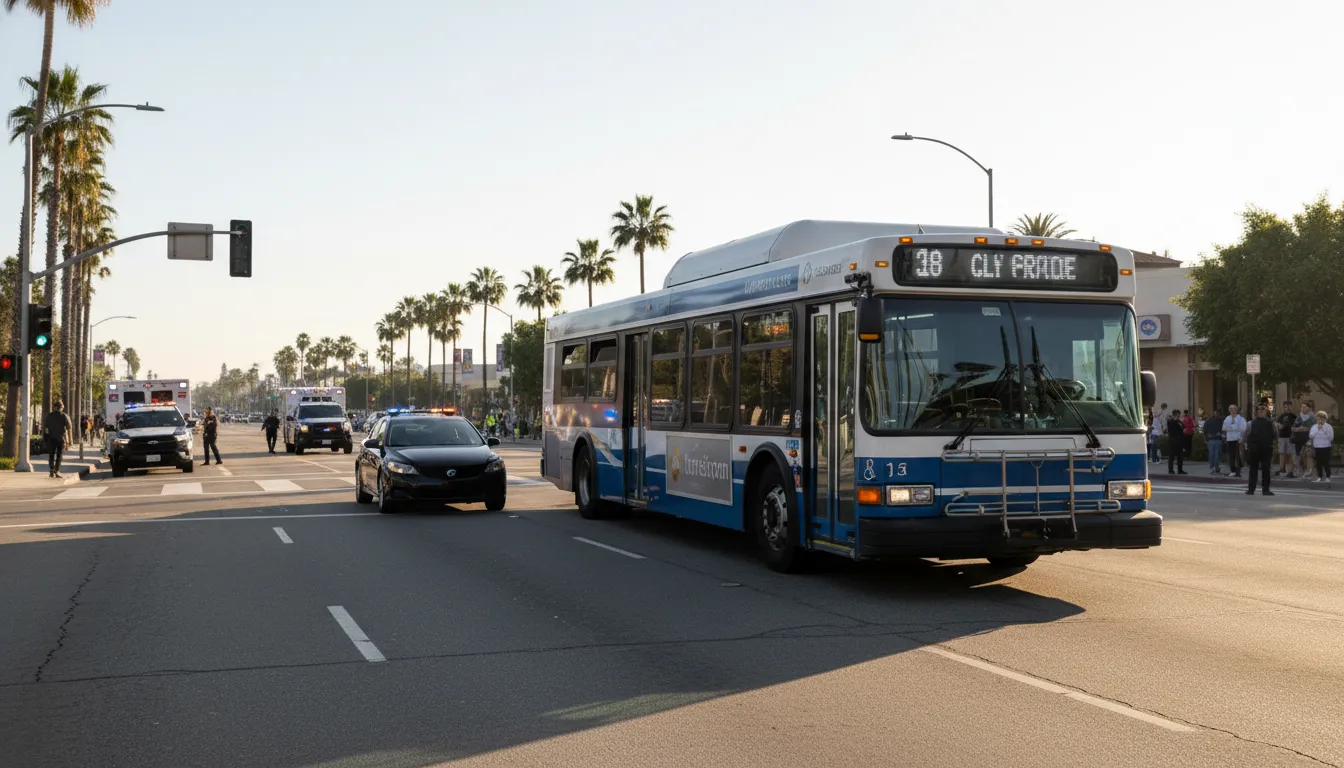
Injuries that may need urgent care
A bus crash can throw passengers against seats, windows, poles, or other people. Medical staff may assess head trauma, including traumatic brain injuries, along with neck or spine injuries. They may also check for fractures, internal injuries, burns, or crush injuries after impact or entrapment.
Some injuries are clear at the scene. Others require an exam, imaging, or follow-up care. A rider should describe pain, dizziness, weakness, confusion, breathing trouble, or new limits to a medical provider. Prompt records show what the patient reported and what care was ordered.
- Head, neck, and spine concerns: records may note concussion symptoms, brain injury concerns, cervical pain, nerve symptoms, or limited movement.
- Physical trauma: treatment may address fractures, burns, internal injury concerns, severe cuts, or crush injuries.
- Ongoing effects: follow-up notes may record therapy, surgery, assistive devices, work limits, or help needed at home.
.
.
.
Do not guess at a diagnosis from pain alone. An emergency doctor or treating specialist can assess symptoms and order care. If symptoms change after the first visit, report the change and keep the related medical record.
Children and emotional harm
Children may have trouble explaining pain or fear after a school bus crash. The National Highway Traffic Safety Administration calls the school bus one of the safest vehicles on the road for children. A child who is hurt still needs care based on symptoms and medical findings in that case.
A collision can also affect sleep, travel, school, work, or daily routines. A patient may report fear, anxiety, nightmares, or emotional changes to a treating provider. For a child, parents can record behavior changes and missed activities. Providers can then decide what support is right.
School bus injuries can raise questions beyond medical care. Families reviewing a Fresno school bus incident can learn from DC Law Group’s California roadway injury guidance. Each claim depends on its own facts, records, and responsible parties.
Records of lasting effects
Serious injuries may affect treatment needs, mobility, income, education, and family routines over time. Keep discharge papers, imaging reports, specialist referrals, therapy records, medication lists, bills, and written work restrictions together. These materials can show the care course without asking an injured person to rely on memory alone.
Follow the treatment plan and attend scheduled visits when possible. If a doctor orders new care or changes activity limits, keep that written instruction. Also save records of missed work, missed school, travel for treatment, and daily tasks that require help.
Documentation should reflect daily life, not just medical visits. A calendar may track appointments, care needs, missed shifts, or missed classes. Clear records help explain whether injury effects continued and how treatment needs changed after the crash.
How DC Law Group builds a stronger bus accident claim
DC Law Group builds a bus injury claim by looking beyond the driver who was behind the wheel. Insurance carriers, private operators, and transit agencies may each seek to limit their role. The firm gives clients direct attorney attention from the start. The goal is a clear claim built on records, medical care, and the facts of the crash.
Direct attention and a plan for your case
Each client has different injuries, work losses, and family needs. We listen first, explain the claim process in plain terms, and plan the next steps around those needs. Clients can speak with their attorney about key decisions. They do not have to manage pressure from an insurer or bus operator alone.
Our team serves injured people across California, including passengers, drivers, pedestrians, and families affected by a bus collision. If you need to discuss what happened, use our contact and consultation page to reach the firm. We handle cases on a contingency fee basis: no fees unless we win for you.
- Direct communication about the evidence, claim status, and available options.
- A personal approach based on your injuries, care, and daily losses.
- Firm responses to insurance or transit company pressure during the claim.
.
.
.
Records that show fault and harm
A strong file starts with early investigation. We work to preserve crash reports, photos, video, witness details, vehicle records, route information, and other available proof. Those items can help show who controlled the bus, what occurred, and which parties should be reviewed for fault.
For charter or tour bus cases, federal safety oversight may also matter. The Federal Motor Carrier Safety Administration is responsible for safety oversight of commercial motor vehicles. We review the type of bus and operator before deciding which records may support the claim.
We also coordinate medical documentation. Treatment notes, imaging, bills, work restrictions, and follow-up care can explain how the crash affected your health and income. A consistent record helps present the harm in an organized way, without overstating what the evidence supports.
Handling a bus claim without promises
Bus claims can call for careful review because the driver may not be the only party involved. Our attorneys examine the evidence, communicate with insurers and operators, and track the steps needed to protect the claim. We prepare each case based on its own facts and do not promise a result.
People researching legal options after a bus collision often want clear guidance after an upsetting event. DC Law Group provides personal legal service throughout California. We focus on gathering support for the claim while clients focus on their care and recovery. Related injury concerns may also overlap with serious roadway injury guidance when trauma causes long-term limitations.
Frequently Asked Questions
How do I file a bus accident claim in California?
Begin by obtaining medical care, reporting the crash, and saving records such as photographs, witness contacts, tickets, and medical bills. Identify whether the bus was operated by a public agency, school district, or private company. That detail affects where a claim is submitted and which deadlines apply. A California bus accident lawyer can review available evidence and preserve records held by the operator.
What is the statute of limitations for bus accidents in California?
California deadlines depend on the defendant. A claim against a private charter or tour operator generally follows personal injury filing rules. A crash involving a city bus, transit agency, or school district may require an earlier government claim notice. Identify the operator promptly to protect filing rights.
Who is liable for a bus accident in California?
Liability may fall on more than one party, depending on what caused the crash. Potentially responsible parties include a bus driver, public transit authority, school district, charter operator, shuttle company, maintenance contractor, vehicle manufacturer, or another driver. Records such as video footage, inspection logs, driver schedules, and crash reports can help determine which conduct contributed to the injuries.
How much is a bus accident settlement worth?
There is no standard settlement amount for a California bus accident injury claim. Value depends on medical treatment, future care needs, lost income, lasting impairment, pain, insurance coverage, and the strength of liability evidence. Serious injuries, including brain or spinal injuries, often require detailed medical proof. Any estimate should follow investigation of the crash and documentation of losses.
Can I sue the city for a public bus accident?
You may have a claim when a city-operated bus, its employee, or another responsible public entity caused an injury through negligent conduct. Claims involving public buses are different from many private vehicle cases because formal government claim procedures may apply before a lawsuit. Preserve fare records, photographs, witness details, and medical documentation, then identify the transit entity quickly so required notices are not missed.
Ready to Protect Your California Bus Injury Claim?
The clock can work against an injured bus passenger, especially when records and witness details become harder to secure. Waiting can also add stress while medical bills, missed work, and questions about responsibility remain unresolved. Beginning promptly gives an attorney more time to assess deadlines, preserve available information, and plan your claim.
An attorney can organize your questions about deadlines, proof, and the parties involved. You can get clear guidance before important choices are made during recovery. DC Law Group can review your situation and explain legal options in plain language. Ready to protect your next step? Schedule a free, no-obligation consultation to talk to a California personal injury lawyer today.